

Contract Packing And Contract Manufacturing Packaging
Why Do Contract Packers Need A Reliable Packaging Supplier?
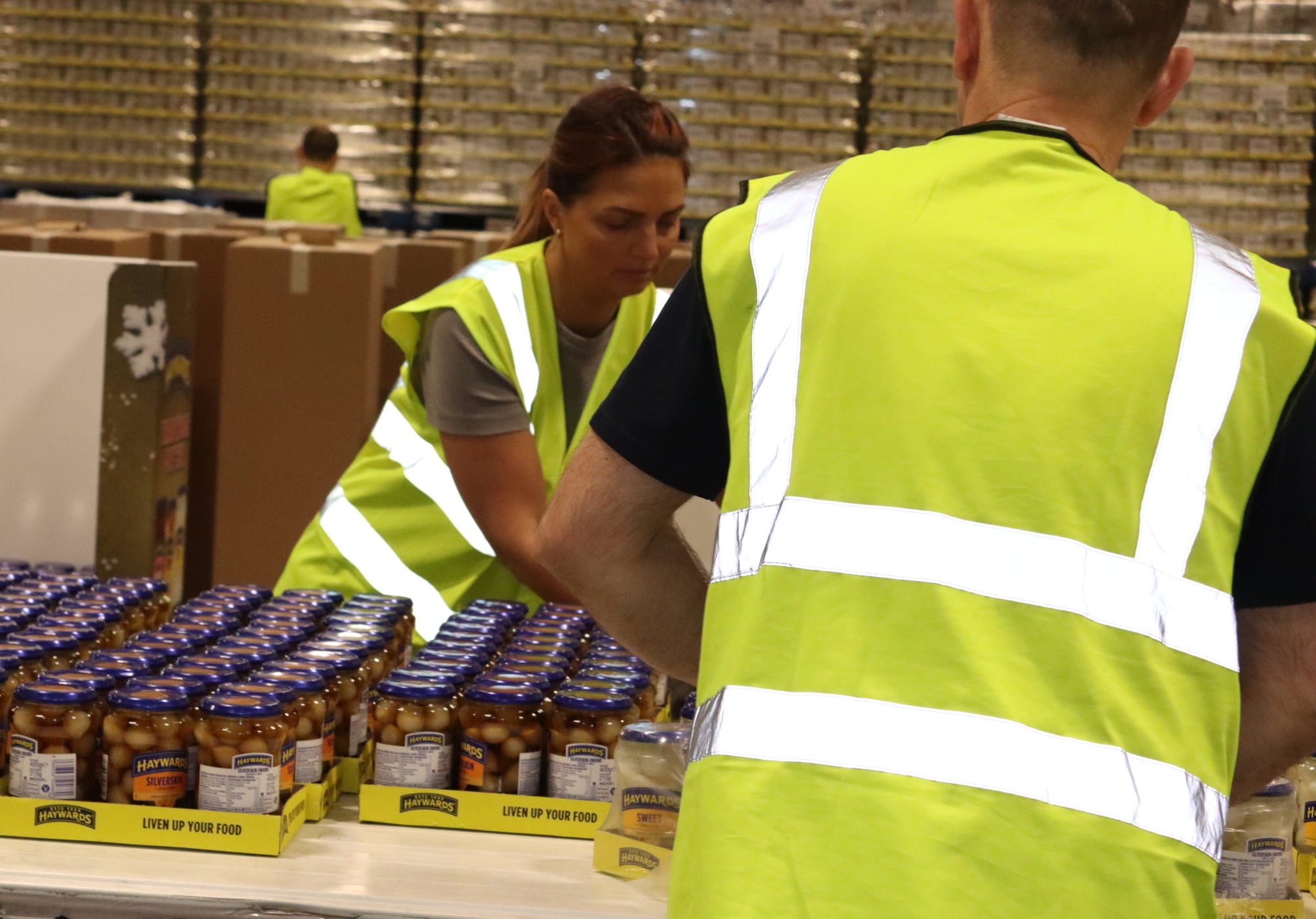
Contract packers need packaging that arrives on time, assembles quickly, stays consistent to specification and supports onward shipping across more than one operational handover.
Every Handover Adds Pressure
In contract packing, the product may be manufactured in one place, packed in another, stored by a third party and shipped through another route.
Each handover is a chance for the packaging to help or get in the way. If the case is slow to erect, inconsistent at the crease, awkward to label or poorly matched to the product, your co-packer feels the cost first.
Manor Packaging supplies contract packers around the live packing process because the case has to work in the hands of the people assembling it. We’ve learned that the small handling details are usually where the cost starts.
What The Pack Has To Support
Contract packing and contract manufacturing packaging usually needs to support these jobs:
- fast assembly for manual, semi-automatic or higher-speed packing lines
- repeatable dimensions across batches, product variants and repeat orders
- retailer-specific store packing guidelines
- clear labelling space for batch, barcode, fulfilment or retailer information
- stable onward shipping through pallet and courier handling
- product protection that prevents returns and final customer complaints
Think of it like a shift handover with half the job sheet missing. The work can still start, but you will pay for every missing detail once the line is moving.
Where The Total Packaging Cost Appears
The lowest box price is not the final cost before the packed product leaves the building.
If a case takes three extra seconds to erect, that cost repeats across the whole run. If the supplier can’t keep up, the contract packer waits for packaging instead of shipping finished goods.
That’s why the specification has to be judged by total packaging cost: assembly time, material use, rejected packs, storage space and rework. The BCMPA (bcmpa.org.uk) is a useful reference point for outsourcing, but your packaging still has to work on the actual line and continue its life intact through the journey and in store.
How Does Manor Packaging Support Contract Packing And Contract Manufacturing?
Manor Packaging designs corrugated packaging around store guidelines, packing method, case format, pallet pattern and delivery expectations before recommending the right format.
The Manor Approach
Established in 1987, Manor Packaging has over 35 years of trading experience in corrugated packaging for businesses that need practical answers.
Our consultative approach helps decide whether the right answer is a glued case, a Transit and Shipping Box, a Die Cut Packaging solution or a Crash Lock Glued Box where packing speed matters. A case that works for manual packing can create problems on a semi-automated line, so we check the process first.
We supply the packaging around your actual workflow, because outsourcing only saves time when the pack fits the operation.
Specification Checks
For contract packing projects, we usually check the following points:
- product size, batch pattern and case count
- manual, semi-automatic or automated packing method
- barcode, batch and fulfilment labelling needs
- pallet build, storage route and onward shipping pressure
- retailer and brand owner packing guidelines
Reliability matters once the structure is right. Manor Packaging has a history of 96-98.5% On-Time, In-Full (OTIF) delivery performance, high speed case-making machinery and an ongoing target of 30% capacity headroom buffer throughout the calendar year.
What Makes Packaging Different For Contract Packing Work?
Contract packing packaging has to satisfy more than one operator, so consistency, handling speed and information control matter as much as product protection.
The Pack Is Part Of The Service
For a brand owner, contract packing is meant to remove pressure. For the co-packer, the packaging specification can either support that promise or undermine it every shift.
If the corrugated case is inconsistent, the co-packer loses time correcting the format. If the labelling area is unclear, the risk moves into batch control and retailer compliance. If the pack does not match the pallet plan, the problem reaches storage and shipping.
That’s why packaging for this sector cannot be treated as an afterthought.
Pressure Points
These are the places where a pack can quietly turn into a service problem. Manor Packaging checks them before the job reaches production volume.
Manor Packaging usually looks for three pressure points first:
- where the pack slows the operator
- where the information can be misread
- where the onward route adds handling risk
Manual Packing Still Needs Engineering
Manual packing does not mean rough packing. A hand-assembled case still needs clean creases, predictable folds and a structure that does not need fighting into shape.
Where the product volume is higher, Manor Packaging can review whether Crash Lock Boxes vs Standard Cardboard Boxes is the right direction for assembly speed. A Crash Lock Glued Box can reduce handling time when the product, line and packing team suit that format.
The aim is not to make the pack more complicated. The aim is to remove repeated handling cost.

Contract Manufacturing Adds Specification Pressure
Contract manufacturing packaging has to work with production schedules, product variation, quality checks and onward distribution before it can be treated as ready for supply.
Product Variation Needs Repeatable Format Control
Contract manufacturers often handle several SKUs, seasonal runs or brand variants. The outer packaging has to support that variation without creating a different handling problem every time the product changes.
We look at case count, print identification, product grouping and repeat-run consistency. A good format gives the packing team clear recognition without making the buyer hold too many different pack types.
In practice, that’s where our consultative approach earns its place. We’re not only asking what size you need. We’re asking what variation your team has to manage.
Specification Control Points
Contract manufacturing works best when the pack gives every operator the same answer. Manor Packaging checks these control points before recommending a final format.
The specification normally has to control:
- product variant changes
- batch and barcode information
- repeat dimensions across reorder cycles
- storage and shipping pressure
Retailer And Brand Owner Requirements
National retailers and brand owners often work to strict store packing, barcode and delivery requirements. If the pack misses those requirements, the issue does not stop at the packing line.
It can become rejected product, rework, delivery delay or a final customer complaint.
Manor Packaging builds retailer-facing requirements into the specification early, including print position, handling marks, batch information, pallet build and point-of-sale presentation where the pack has a display role.

Total Packaging Cost In Contract Packing
Contract packers should measure packaging by run speed, rejected packs, storage space, material use, damage and the labour needed to make the pack behave on the line.
Three Seconds Can Become A Shift Problem
Three seconds sounds small until it repeats across thousands of units.
A case that needs extra hand pressure, extra tape or extra correction slows the packing team in a way the quote never shows. A pack that stores badly creates the same problem further downstream, where valuable warehouse pallet spaces become part of the cost.
This is the same principle behind 5 Common Packaging Mistakes Costing You Money: the expensive part is often hidden in the process, not printed on the quote line.
Cost Checkpoints
These checks help separate the visible quote line from the operational cost. Manor Packaging uses them to keep the discussion tied to the live packing process.
For contract packing, Manor Packaging checks total packaging cost across:
- assembly time
- rejected packs
- rework
- storage space
- onward damage
Packaging Should Protect The Contract
Contract packing is judged on reliability. If the customer has outsourced the work, they expect the product to leave correctly packed, labelled, protected and ready for the next route.
The packaging supplier has to support that promise. Manor Packaging does that through structural design, 4 colour flexographic printing where needed, repeatable manufacturing tolerances and delivery planning that protects the run.
The pack should help the co-packer look organised in front of their customer.
Packaging Formats For Contract Packing And Manufacturing
The right format depends on packing speed, product fragility, retailer requirements, storage route and whether the pack has to support display as well as transit.
Common Corrugated Options
Contract packing projects commonly use several corrugated formats:
- glued cases for repeatable transit and shipping work
- transit and shipping packaging for stable onward movement
- Die Cut Packaging solutions for product-specific fit and presentation
- Crash Lock Glued Box formats where fast assembly matters
- shelf and retail-ready formats where the pack supports store display
- printed outers where batch, brand or handling information has to stay clear
We use E-Flute, B-Flute single wall, EB or BC-Flute double wall board depending on the product, route and handling pressure.
Testing The Format Before Production
The right format should be tested against the way the job will actually run. CAD drawings, samples, line checks and pallet reviews show whether the packaging will work before production volume creates pressure.
Manor Packaging uses an AG CAD Sample Table, TCY Rotary Diecutters, a Vega Altair 240 Multipoint Gluer and a Bobst Expertfold 165 Multipoint Gluer to support that process.
That equipment matters because contract work punishes inconsistency quickly.
Where Do EPR And Packaging Data Fit?
EPR makes packaging data, material choice and recyclability more visible, so contract packers benefit from settling the specification before production starts.
More Data Means Fewer Surprises
Extended Producer Responsibility creates more pressure around pack weight, material type and recyclability. The UK EPR guidance (gov.uk) is especially relevant where brand owners, manufacturers and outsourced packing partners share responsibility for packaging data.
We help by keeping the corrugated specification consistent and clear. That makes it easier for your team to understand what is being used, how it is supplied and how it supports the product route.
Good data starts with a settled specification.
Data Points To Settle
Clear packaging data prevents confusion between the brand owner, manufacturer and packing partner. Manor Packaging keeps these details stable across repeat orders.
That means the pack record should be clear on:
- material type
- approximate pack weight
- recyclability
- repeat specification
- supply route
Sustainability Still Has To Work On The Line
Manor Packaging’s factory is powered by 40% rooftop solar energy, 80% of our material is from already recycled sources, and the end product is 99.9% recyclable. We also hold ISO 14001 and FSC chain-of-custody certification C115460.
Those credentials support procurement and reporting, but the pack still has to assemble, protect and ship correctly. A recyclable pack that fails on the line has not solved the operational problem.
The packaging has to work first.
Before A Packaging Consultation
A useful packaging consultation needs the product dimensions, current pack format, run volume, packing method, retailer requirements and any known damage or speed problems.
Useful Inputs
Before Manor Packaging reviews a contract packing specification, it helps to gather:
1. product dimensions and case count
2. current board grade or pack format
3. manual, semi-automatic or automated packing method
4. order volume, repeat pattern and seasonal spikes
5. label, barcode and retailer information requirements
6. current damage, rework or packing speed issues
That information lets us look at the pack as part of the operation, not as an isolated box drawing.
Specification Review Priorities
We’ll look for movement risk, wasted material, slow assembly, unclear labelling, poor pallet use and any mismatch between the pack and the live workflow.
For broader manufacturing capacity and regional supply detail, our corrugated packaging Peterborough page explains the production base behind Manor Packaging’s service.
When the specification is right, the packaging should disappear into the process. It turns up, runs cleanly, protects the product and lets the contract packer keep their promise.
How to Arrange a Packaging Consultation?
To review your current packaging against product protection, presentation, line speed and repeatable supply, contact Manor Packaging. We’ll look at where the current specification helps, where it creates risk and whether a different corrugated format would support your team better.
Get In Touch

Manor Packaging Ltd
200 Station Road
Whittlesey
Peterborough
PE7 2HA
FAQs
What Is The Difference Between Contract Manufacturing And Contract Packaging?
Contract manufacturing is outsourced production of the product itself. Contract packaging is outsourced packing, assembly, labelling, display preparation or shipping preparation after the product exists. Manor Packaging supports the packaging specification, so the finished pack works for the manufacturer, co-packer, retailer and onward delivery route.
What Are The 4 Types Of Packaging?
The 4 broad packaging types are primary, secondary, tertiary and transit packaging. Manor Packaging usually works in the secondary, tertiary and transit areas for contract packing, including glued cases, transit and shipping packaging, Die Cut Packaging solutions and Crash Lock Glued Box formats.
What Is CM And OEM?
CM usually means contract manufacturer: a business that makes products for another brand. OEM means original equipment manufacturer: the business that makes original products, components or equipment. In both cases, the packaging specification still has to protect the product, support handling and keep the route clear.
What Is The Difference Between A Co-Packer And A Manufacturer?
A co-packer usually packs, assembles, labels or prepares finished goods for sale or shipping. A manufacturer makes the product itself.
Some businesses do both. Manor Packaging designs the corrugated packaging around the live workflow, so the pack supports whichever partner is handling the goods.
What Is Contract Packing Packaging?
Contract packing packaging is the corrugated packaging used by outsourced packing teams to assemble, protect, label, store and ship products for brand owners, manufacturers and retailers. It must work for the co-packer’s process as well as the customer’s route to market.
What Is Contract Manufacturing Packaging?
Contract manufacturing packaging supports products made by an outsourced manufacturer before they move into storage, retail, wholesale or direct fulfilment. The packaging specification has to account for product variation, batch control, quality checks, retailer requirements and onward shipping.
Why Does Packing Speed Matter?
Packing speed matters because every extra handling step repeats across the full production run. A case that takes three extra seconds to erect can add meaningful labour cost, especially for contract packers handling high-volume or repeat orders.
Which Corrugated Formats Suit Contract Packing?
Suitable formats can include glued cases, Transit and Shipping Boxes, Die Cut Packaging solutions, Crash Lock Glued Box formats, shelf-ready packaging and printed outers. The right choice depends on product weight, line speed, display requirements, pallet plan and delivery route.
Can Manor Packaging Support Retailer Packing Guidelines?
Manor Packaging can design corrugated packaging around retailer and brand owner requirements, including barcode space, batch information, store packing guidelines, pallet presentation and handling instructions. We check those details before recommending the final format.
How Does Packaging Affect Total Packaging Cost?
Packaging affects total packaging cost through assembly speed, material use, storage, rework, rejected packs, damage, returns and delivery reliability. A cheaper quote line can cost more if the pack slows the team or fails during onward shipping.
Large enough to cope, small enough to care. Experts in the design and manufacture of contract packing and contract manufacturing packaging.