

Letterbox Packaging for E-Commerce: Design, Cost and Compliance
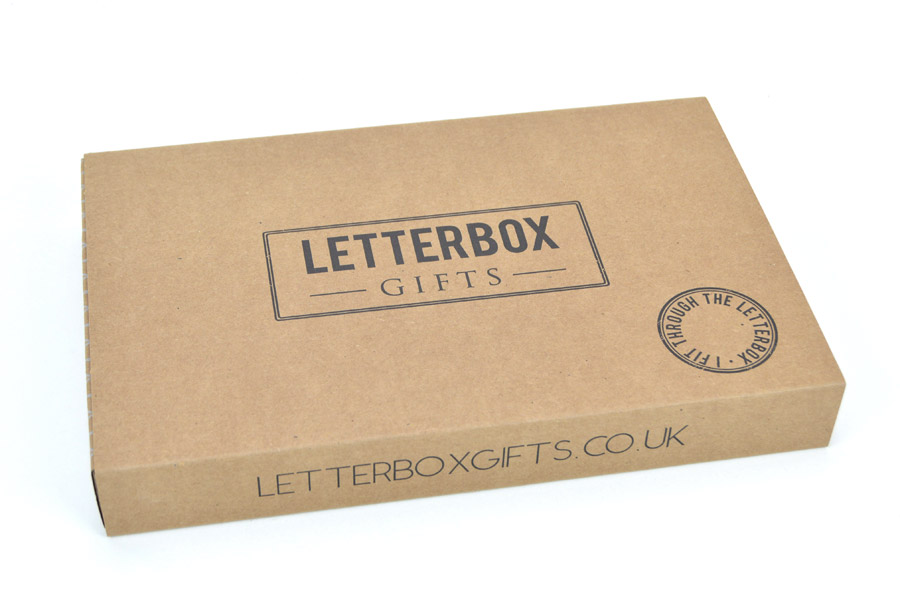
Your carrier reaches the customer’s door, but nobody’s there. If the pack can’t go through the letterbox, an efficient warehouse operation can still end with a missed-delivery notice. Letterbox packaging removes that dependency when the product, carrier service and delivery opening suit the format.
Manor Packaging designs corrugated packaging from its Peterborough manufacturing base for medium-to-large e-commerce businesses, national retailers and brand owners, and fulfilment and 3PL centres across the UK. At volumes of 5,000 units or more, the decision isn’t limited to whether a pack fits. It has to protect the product, move quickly through packing, meet the agreed specification and reduce total packaging cost.
What Letterbox Packaging Has To Do
Letterbox packaging is a slim, protective format designed to pass through a standard-sized domestic letterbox or similar delivery aperture without requiring the recipient to be present.
That sounds straightforward until you account for the product, its retail packaging, protective clearances, closures and manufacturing tolerances. A pack that fits when empty may become too thick once it’s loaded. One that passes through a test gauge may still distort when the product shifts towards an edge.
Think of the delivery aperture as the final go or no-go gauge on your outbound line. If the loaded pack can’t pass through consistently, every earlier pick, pack and dispatch step has produced the wrong format.
Set the Performance Requirements
A working specification has several jobs:
- It must maintain its intended external dimensions after loading and sealing.
- It must hold the product securely and protect vulnerable edges and corners from damage.
- It must withstand normal handling without opening or crushing.
- It must use a tamper-evident closure that shows when somebody has interfered with it.
- It should be easy and pleasurable for the customer to open without damaging the item.
- It may need a second closure when returns form part of the customer journey.
Letterbox formats suit slim products that don’t need a large amount of cushioning. Printed materials, selected health and beauty products, garments, accessories, replacement parts and subscription items can all be candidates. Fragility, liquid content, value and temperature sensitivity can change that decision, so you can’t approve the format from product dimensions alone.
Why Unattended Delivery Changes the Cost Model
A parcel leaves your warehouse on time. The address is correct and the carrier reaches the door, but the customer isn’t available. Your team may then face tracking enquiries, delivery rearrangements, refunds or product returns even though packing and dispatch went exactly as planned.
It’s a rework loop at the far end of the packaging supply chain. Like a finished batch sent back to production, the cost appears after you thought the job was complete.
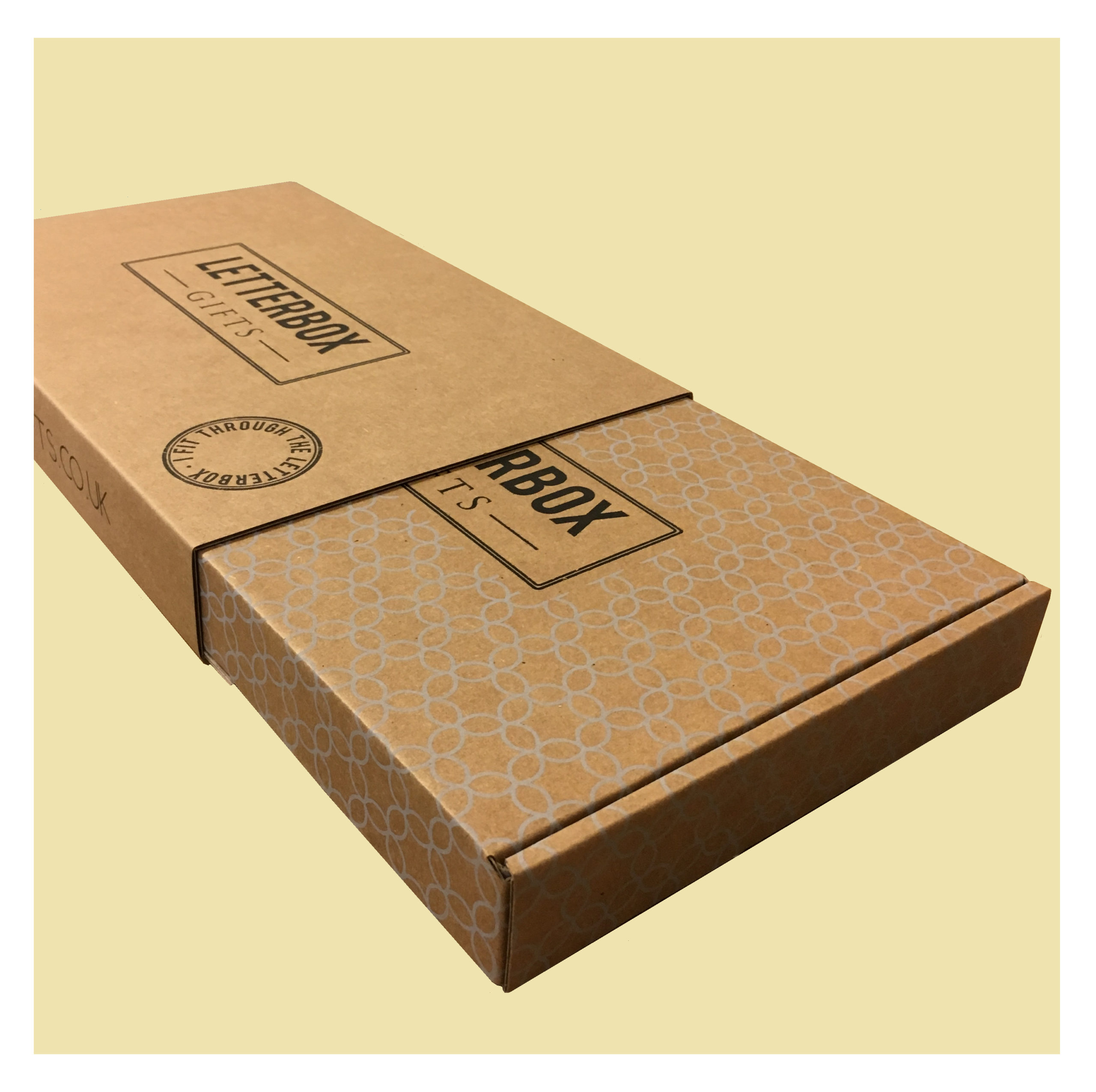
When an eligible product can be delivered through the letterbox, the recipient doesn’t have to answer the door. That can increase the likelihood of first-time completion because one common cause of delivery failure has been removed. It won’t correct an address error or carrier problem, but it can eliminate the attendance requirement.
Calculate the Total Packaging Cost
Procurement teams often ask, “What’s the unit price?” We understand why, but that figure alone doesn’t show the whole commercial result.
The total packaging cost includes the pack, packing labour, additional protective materials, shipping format, damage, returns and customer service time. If the design removes an unnecessary insert but adds awkward folds, you may save on material and lose the saving at every packing station.
You’ll get a better buying decision by modelling those costs across the expected annual volume. A slightly different construction may cost more per unit and still cost less to use.
Measure the Product Before Choosing the Format
Does all UK letterbox packaging fit the same size opening? No installed aperture should be treated as universal across every address, and carrier services have their own current format and weight conditions.
Your starting point should be the carrier service you intend to use, followed by the real dimensions of the packed product. Don’t begin with an off the shelf stock box and try to make the product fit afterwards.
Define the Loaded Product Envelope
Measure the widest, longest and thickest points after any retail packaging has been applied. Include cables, folded fabric, closures or uneven components that can move towards the outside of the pack.
Nominal dimensions aren’t enough at production volumes. A specification without manufacturing tolerances is like a CNC programme with no fixed datum. Everybody can follow the instruction and still produce a different result.
You’ll need to define:
- The product’s dimensional range, including permitted variation.
- The orientation in which the item enters the pack.
- The protective clearance around vulnerable areas.
- The permitted external dimensions after sealing.
- The board grade and box construction.
- The closure position and any tear-strip allowance.
- The acceptance method for finished samples.
Our design process turns those inputs into a production-ready structure. We can create and check samples on our AG CAD Sample Table before you commit to a full manufacturing run. That lets your procurement, warehouse and product teams handle the actual pack instead of approving a drawing they haven’t tested.
Test Protection in the Intended Delivery Position
A letterbox pack may land on an internal floor after it passes through the opening. The product can’t rely on careful handover, so the structure needs to manage that final drop as well as normal sorting and vehicle handling.
Good internal fit limits movement without filling the pack with unnecessary material. Where a product needs more control, bespoke corrugated fitments can locate it within the outer structure. That’s often cleaner at the packing station than adding loose plastic-based void fill, and it gives your team a repeatable packing method.
A sample should be loaded with the real product, sealed by the people who’ll pack it and tested in the expected orientation. If you’re using a fulfilment or 3PL centre, involve that operation before approval. A closure that works comfortably on a design bench may be frustrating when repeated throughout a busy shift.
Choosing Board and Construction for Letterbox Packaging
Thicker board isn’t automatically better. Extra thickness can consume the dimensional allowance that made letterbox delivery possible in the first place.
The right choice balances stiffness, puncture resistance, print requirements, product weight and the delivery route. It also has to convert consistently, because a few millimetres of unexpected bulge can change the carrier format.
Board Material and Box Construction Are Different Decisions
Wall terminology describes the corrugated board material, not the finished box style. Single wall board contains one fluting between liners. Double wall board contains two flutings and three liners.
E-Flute and B-Flute are single wall grades commonly considered for lighter, retail-facing and e-commerce applications. EB-Flute is double wall board, combining E and B flutings. Its added thickness and strength can be useful elsewhere, but it won’t suit every letterbox specification.
The fluting works like the pressed channels in a formed metal guard. Those channels create stiffness without making the whole component solid. Flute profile, paper specification and construction all affect the finished performance, so you can’t judge strength from thickness alone.
Die-Cut Features Control Fit and Usability
A die-cut structure can place folds, locking tabs, tear strips and adhesive areas exactly where the pack needs them. Our die cut packaging capability supports bespoke Die Cut Packaging solutions with custom fitments where the product needs more control.
For the customer opening experience, our e-commerce packaging can incorporate easy-peel adhesive glue strips, tamper-evident structural features and resealable closures. A second adhesive strip can support returns, making the box returnable without asking the customer to find tape or another container.
Print also needs to be specified early. If you require 4 colour flexographic printing, brand colour management and corporate branding guideline control should sit alongside the structural drawing. Print coverage, crease positions and adhesive areas compete for the same surface, so they can’t be treated as separate jobs after the structure has been approved.
Put Packing Speed Into the Commercial Calculation
Corrugated packaging isn’t the cheapest option if you buy a complicated structure that slows the line. That isn’t a material problem. It’s a design problem.
Packaging assembly behaves like a small amount of drag on a conveyor. You may barely notice it once, but it reduces output throughout every shift. At 50,000 units, extra folds, difficult tabs and poorly positioned release liners don’t stay small.
Record how long the current pack takes to erect, load, close and label. Your test shouldn’t be performed by somebody who designed the sample. Give it to the packing team, because they’ll find the awkward movement within the first few repetitions.
Manual and Automated Packing Need Different Checks
For manual packing, look at hand movements, pack orientation, access to the product cavity and waste release liners. If a pack has to be turned several times before sealing, the workstation layout may be doing more work than the board.
Automated or semi-automated operations need consistent crease positions, dimensions and glue application. Box consistency to the agreed manufacturing tolerances becomes a production concern because variation can cause misfeeds, stoppages and rework. We can use pre-production samples to assess compatibility with your equipment before full manufacture.
That same discipline applies to fulfilment and 3PL centres packing several product lines. A well-designed format should be difficult to assemble incorrectly. It should also make the correct product orientation obvious without adding another written instruction to the station.
Returns deserve equal attention. If customers regularly send products back, a reusable closure can reduce repacking work and prevent unsuitable replacement packaging from entering the returns network.
Keep Carrier Compliance, Board Performance and EPR Separate
There isn’t one compliance mark that proves a letterbox pack will work. Carrier acceptance, board performance and environmental reporting answer different questions, and your specification needs to keep them separate.
Treat them like three quality gates on the same dispatch lane. A barcode check can’t replace a compression test, and a recyclability statement can’t prove that the loaded pack meets a carrier’s format rules.
Carrier Format Requirements
Confirm the selected service’s current packed dimensions, weight conditions, labelling rules and prohibited contents. Commercial contracts may also have conditions that differ from a public counter service.
Your approval sample should represent the production pack after loading and sealing. Don’t rely on the flat blank dimensions or the empty pack, because neither shows the format your carrier will handle.
Board Integrity and Manufacturing Tolerances
Procurement teams should agree how board integrity and finished dimensions will be verified. The FEFCO testing methods and recommendations (fefco.org) provide recognised methods for evaluating corrugated board and packaging performance.
Testing language matters when a buyer and manufacturer are measuring thickness, strength or internal dimensions differently. If the method isn’t stated in the specification, both parties can produce plausible results that don’t match. An approved sample, declared tolerances and agreed test method give you a much firmer acceptance basis.
Extended Producer Responsibility
Extended Producer Responsibility, usually shortened to EPR, brings packaging data and material choices into procurement decisions. The precise obligations depend on the organisation and current regulations, so your compliance team should confirm which reporting and fee requirements apply.
The BPIF stresses the importance of understanding environmental obligations and provides an Environmental Road Map to help businesses assess their position. The BPIF Environmental Road Map overview (twosides.info) explains how the framework supports environmental compliance across print and packaging.
Your supplier should be able to give you clear material specifications rather than vague environmental language. Without reliable composition, weight and certification information, your reporting team has to fill the gaps.
Reduce Material Without Reducing Protection
A well-designed letterbox pack uses enough corrugated material to protect the product, without paying to ship empty space or unnecessary components.
Every extra component behaves like line-side inventory. It has to be purchased, stored, picked, fitted, reported and disposed of. If it doesn’t protect the product or improve the process, it’s adding work.
A snug bespoke custom packaging solution can reduce movement and remove the need for loose plastic-based void fill. It may also improve volume efficiency in storage and shipping because you aren’t moving air inside an oversized outer pack.
That doesn’t mean stripping out material until the pack fails. Damage and product returns carry their own environmental and commercial cost. The right target is the lowest material use that still passes the agreed protection, handling and packing tests.
Check the Material Evidence
Manor Packaging’s factory uses 40% rooftop solar energy. 80% of our material is from already recycled sources, and finished corrugated packaging is 99.9% recyclable. Our corrugated material is covered by FSC chain-of-custody certification C115460, giving procurement teams traceability for the fibre source.
Those figures don’t replace product-level design work. A recyclable pack can still waste material if it’s too large, and a light pack can still be a poor choice if it doesn’t protect the item. Sustainability sits in the specification, not on a line of marketing copy.
Give Suppliers a Specification They Can Price Properly
What should you provide when requesting a letterbox packaging quotation? More than an annual quantity and a rough internal size.
A vague request for quotation is like releasing a production schedule without routing instructions. The factory knows something needs making, but it can’t calculate the right materials, tooling or process.
Build the Request Around the Loaded Pack
For a useful quotation, provide:
- Product information: Supply the minimum and maximum product dimensions, weight, fragility, value and any retail packaging already applied.
- Delivery format: Name the intended carrier service and provide its current packed-size and weight conditions.
- Protection requirements: Explain where movement, crushing, moisture, scuffing or opening would create a failure.
- Packing process: State whether packing is manual, semi-automated or automated, along with the required line speed and available workstation space.
- Closure and returns: Confirm whether you need tamper evidence, an easy-peel opening, a resealable return strip or another closure method.
- Print requirements: Provide artwork, brand colours, corporate branding guidelines and any requirement for 4 colour flexographic printing.
- Volume and delivery profile: Include annual demand, typical call-off quantities, peak periods, delivery locations and the forecast accuracy your team can support.
- Approval criteria: Define the dimensions, manufacturing tolerances, board tests, packing trials and people authorised to approve the sample.
Manor Packaging’s consultative approach starts with those inputs. Our design team can review the product journey from packing station to final customer receipt, produce a sample on the AG CAD Sample Table and identify where protection, assembly time or material use is affecting total packaging cost.
The deliverable shouldn’t be a quotation for an anonymous piece of board. It should be an agreed specification your procurement, operations, quality and 3PL partners can all test against.
Unit-price options can then be compared on the same basis. If one design reduces material but adds packing steps, you’ll see the trade-off. If another improves assembly and returns usability, you can decide whether that operational benefit reduces the total packaging cost.
When Letterbox Packaging Isn’t the Right Format
Some products shouldn’t be forced into a letterbox format. A bulky, highly fragile, temperature-sensitive or leak-prone item may need a different delivery and protection strategy.
Trying to force the wrong product through the format is like feeding an unsuitable blank into a die-cutter. The machine may accept it, but the finished result won’t meet the job.
Watch for Protection and Packing Trade-Offs
Watch for designs that need so much reinforcement that they lose the dimensional advantage, or fitments that make packing unnecessarily slow. A product may also pass through the intended gauge but face an unacceptable impact after dropping onto a hard internal floor.
There isn’t always a clever fold that resolves that conflict. Sometimes the better commercial decision is to use a larger parcel format and protect the product properly.
From its Peterborough manufacturing base, Manor Packaging supports medium-to-large e-commerce businesses, national retailers and brand owners, and fulfilment and 3PL centres with UK-wide delivery. Large enough to cope, small enough to care. If you’re reviewing a specification, ask our team for a packaging consultation and bring your product dimensions, annual volume, carrier format and packing process.
Begin your journey toward smarter packaging solutions, creating tailored packaging that delivers your brand safely and responsibly.
Get In Touch

Manor Packaging Ltd
200 Station Road
Whittlesey
Peterborough
PE7 2HA