

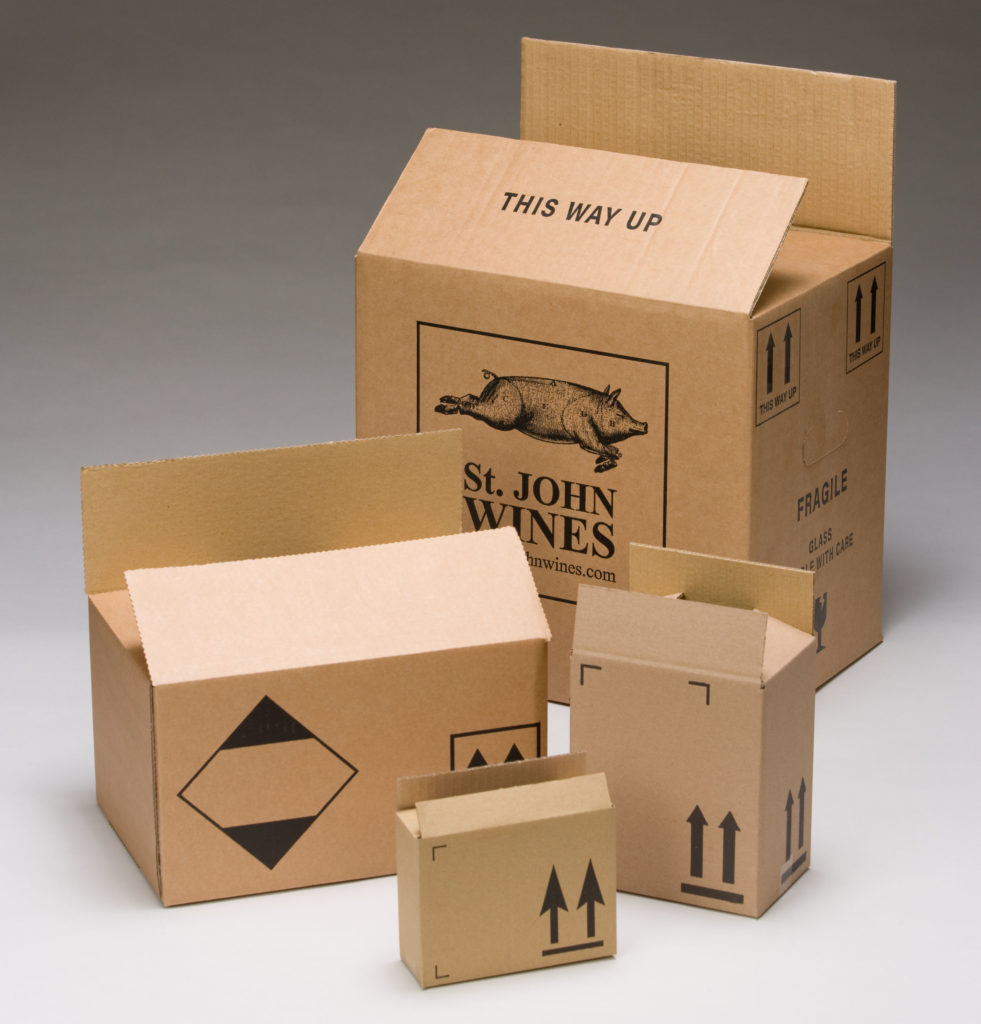
Beer Packaging
Why Does Beer Packaging Have to Do More Than Just Protect the Product?
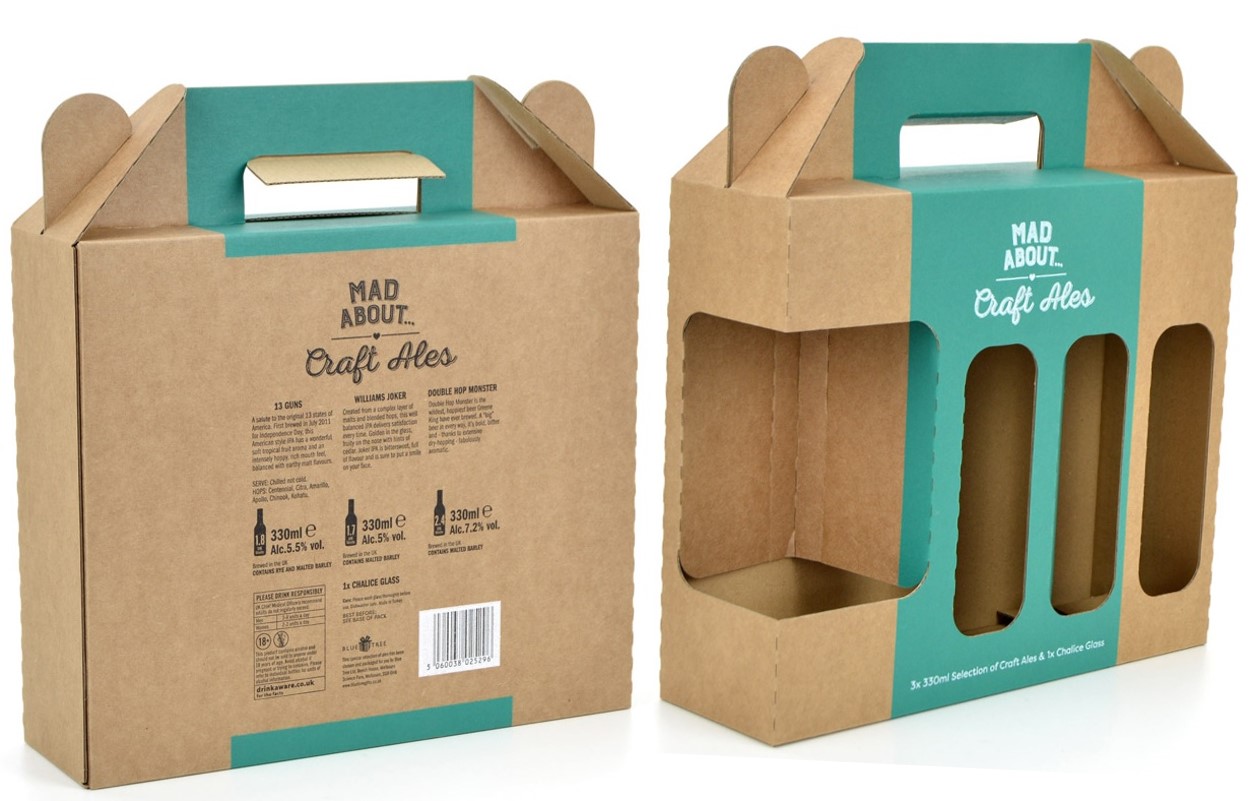
Beer packaging has to protect heavy glass or cans, keep brand presentation consistent, and provide a pack that is ready for point of purchase, free from damage and scuff marks.
At Manor Packaging, we design bespoke beer packaging for breweries, drinks brands, contract packers, and fulfilment operations that need reliable supply, strong transit performance, and better control over total packaging cost. This page covers the operational decisions behind beer packaging, from bottle protection and packing-line fit to retail shelves, hospitality groups, and wholesale distribution.
Beer packaging has to do four jobs at once: protect the product, support the packing operation, stay dependable through storage and shipping, and look consistent at point of sale.
On the Line and in Transit
A beer pack that looks sharp on the shelf but fails in the courier network is only doing half the job.
What matters in practice is how the pack performs once it leaves the CAD drawing. Bottle or can integrity, pallet stability, line speeds, box consistency, and repeated breakages all affect labour, stock availability, and total packaging cost.
What the Pack Has to Handle
Beer packaging usually needs to handle:
- bottles or cans with very different weights and stacking behaviour
- packing-line compatibility for manual packing, semi-automatic lines, or higher-speed filling operations
- distribution pressure from warehouse storage through to national courier or retail delivery
- retail-facing presentation that still looks consistent when the pack reaches the shelf or arrives in a mixed case delivery
- repeat runs where the pack has to match the agreed specification every time
Think of it like a bottling line running out of calibration. A small weakness in the pack design at the start of the shift becomes wasted labour, damaged stock, and customer complaints by the end of the day.
Presentation Still Matters
Presentation still matters because beer packaging often has to work in front of buyers as well as on the packing line.
Whether the packs are going to retail shelves, hospitality groups, or wholesale distribution, the print finish, structure, carry strength, and pack consistency all shape how the brand is judged before the product is opened. That is not decorative language. It is how the pack protects commercial value after production.
How Does the Right Beer Packaging Reduce Total Packaging Cost?
The right beer packaging specification reduces more than just breakages. It helps control total packaging cost across labour, damage, rework, storage, shipping, and point-of-sale consistency, while keeping FEFCO format choices and OPRL labelling expectations in view where they apply.
What Buyers Usually Need to Know
Buying beer packaging on unit price alone is like approving a bottle label without checking whether it scuffs in the case.
The visible pack cost is only one line on the invoice. The bigger questions usually sit somewhere else:
- Will the packaging protect glass, cans, and labels through storage and shipping?
- Will the pack run cleanly through the filling, packing, or fulfilment operation?
- Will the print and structure stay consistent at point of sale?
- Will the specification support the volumes you need during seasonal peaks, launches, or promotional runs?
- Will product reach the final customer without avoidable returns or complaints?
Why Unit Price Misses the Point
Those questions move the conversation away from the lowest box price and toward the total packaging cost. A slightly cheaper outer that needs more void fill, slows packing, or allows breakages isn’t cheaper by the end of the run. The packaging has to earn its place on the line and in the delivery route.
The Cost of Breakage and Rework
Beer is unforgiving in transit.
Glass bottles, cans, labels, carriers, and retail-facing outers all respond differently to pressure and movement. If the internal fit is wrong, the cost doesn’t stop at the damaged stock.
You can end up paying for repacking, replacement orders, delayed dispatch, customer service time, extra shipping, and lost confidence from the buyer. For a brewery or drinks brand trying to keep a launch or seasonal run on track, that’s far more painful than the original difference between two packaging quotes.
What Types of Beer Packaging Can Manor Packaging Support?
Beer packaging can look simple from the outside, but the right specification depends on the format, volume, and route to market.
A mixed-case direct delivery pack, for example, has a different job from a shelf-ready retail tray. It is the same principle as setting a filling line for cans rather than bottles: the product category is similar, but the handling details change the whole set-up.
A wholesale outer for hospitality groups has different risks from a printed multipack carrier. Where the pack has to face shoppers as well as protect the product, our Shelf and Retail Ready Packaging work is a useful comparison point.
Typical Beer Packaging Requirements
Our design team can help specify packaging for:
- bottle and can outers
- shelf-ready packaging for national retailers and brand owners
- printed retail-facing cases
- transit packaging for wholesale distribution
- Die Cut Packaging solutions for inserts or product separation
- single-wall and double-wall board grades, depending on weight and route
- packs designed around manual, semi-automatic, or higher-speed packing
The format should be chosen around the operation, not copied from a stock range. If a pack has to be erected quickly, hold weight safely, and arrive cleanly at the point of purchase, every crease, flute, and closure detail earns its place.
Board Grade and Pack Consistency
E-Flute and B-Flute single wall board can suit lighter retail-facing work where print finish and conversion accuracy matter.
EB or BC-Flute double wall board can support heavier configurations where stacking, handling, and transit protection carry more risk. The decision should come from product weight, bottle or can format, pallet build, and the route through the packaging supply chain.
This is where box consistency is critical. When a repeat order behaves differently from the previous run, the packing team notices first and the customer may notice last.
Why Does Beer Packaging Need a Consultative Approach?
Beer packaging is a handover between the product, the packing line, the pallet, the retailer, and the final buyer.
Established in 1987, Manor Packaging has over 35 years of trading experience from its Peterborough manufacturing base. A weak packaging brief is like a shift handover with half the notes missing: everyone can still start work, but the problems appear once the line is moving.
We take a consultative approach because beer packaging is rarely just about the outer case. It’s about how the pack performs across the whole packaging supply chain, from line handling and pallet build through to shelf presentation and final delivery.
What the Approach Gives You
For breweries and drinks brands, the value is a packaging specification that connects the product, the pack format, and the route to market.
That approach gives you:
- a pack designed around the product and route to market
- clearer decisions on flute, fit, inserts, and print
- repeatable output for promotional or seasonal runs
What We Look at Before Recommending a Spec
Before recommending a beer packaging format, we want to understand:
- bottle or can size and weight
- pack count and configuration
- filling, packing, and sealing method
- pallet pattern and stacking pressure
- retail, hospitality, wholesale, or courier route
- print and brand presentation requirements
- seasonal peaks and repeat-run expectations
That’s how expertise in box consistency, practical structural design, and dependable supply starts reducing total packaging cost instead of adding to it.
Production and Delivery Reliability
For beer runs, that production control matters more than the headline capacity. Our high speed case-making machinery can produce glued corrugated packaging at up to 18,000 boxes an hour when the spec, print, and repeat-run requirements are agreed.
We have a history of 96-98.5% On-Time, In-Full (OTIF) delivery performance, and we maintain an ongoing target of 30% capacity headroom buffer throughout the calendar year. For breweries, drinks brands, and contract packers, that matters when demand rises around launches, summer trading, Christmas, or hospitality events.
Your packaging supplier shouldn’t become the bottleneck.
How Can Beer Packaging Support Sustainability and Buyer Expectations?
Sustainability in beer packaging should be factual, not breathless.
For many drinks businesses, the best outcome is a fit-for-purpose corrugated specification that reduces avoidable plastic-based void fill, supports EPR reporting, and avoids the waste that comes from product damage or replacement deliveries. The environmental claim should behave like a batch record: clear, traceable, and backed by the way the pack is made.
Manor Packaging’s Sustainability Facts
Manor Packaging’s factory is powered by 40% rooftop solar energy.
Those figures are not a label claim. They mean the pack starts from a carbon-neutral manufacturing process, uses 80% material from already recycled sources, and finishes as 99.9% recyclable corrugated packaging. Manor Packaging also holds FSC chain-of-custody certification C115460 and ISO 14001.
Those facts matter because beer packaging has to do the practical job first. A more recyclable pack only helps if it still gets bottles, cans, labels, and retail presentation to the buyer in the right condition.
Standards and Specification Context
FEFCO code information helps with corrugated formats, while OPRL Deposit Return Scheme guidance gives drinks teams useful recycling-labelling context. Those references are useful, but the commercial decision still comes back to bottle or can format, route to market, point-of-purchase presentation, and total packaging cost.
If you are reviewing beer packaging for a brewery, drinks brand, contract packer, or hospitality supply route, talk to Manor Packaging about the current pack. We will look at product protection, presentation, repeat runs, and supply reliability before recommending a practical specification.