

Logistics and 3PL Packaging
Why Does Logistics and 3PL Packaging Have to Be Built Around Movement, Not Just Materials?
Logistics packaging has to keep products moving quickly, protect them through repeated handling, and do it efficiently without adding unnecessary cost into the supply chain.
At Manor Packaging, we design bespoke logistics and 3PL packaging for fulfilment and 3PL centres, distributors, warehouse-led operations, and manufacturers that need reliable supply, consistent performance, and tighter control over total packaging cost. This page explains how fit, repeatability, packing speed, and volume efficiency affect the real cost of logistics packaging.
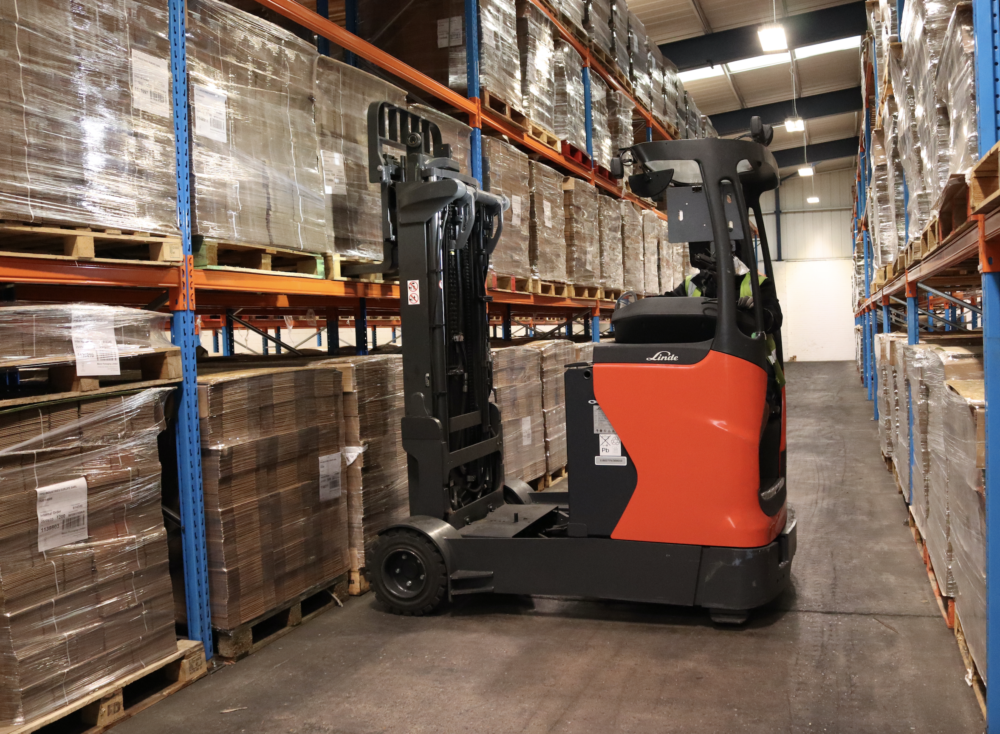
Logistics and 3PL packaging works when it supports operational movement: through picking, packing, palletisation, storage, transport, unloading, returns, and final delivery. The right FEFCO format, UK delivery route, and warehouse handling pattern matter as much as the board itself.
The Weak Point Is Usually the Fit
Efficiency in logistics packaging starts with fit and repeatability.
If the packaging is oversized, inconsistent, awkward to erect, or unstable on a pallet, your operation slows down, uses more void fill, occupies more vehicle space, and exposes the product to more movement than it should ever experience. The pack needs to fit properly and stay consistent to the agreed specification.
What the Pack Has to Support
Logistics and 3PL packaging usually needs to support:
- fast pick-and-pack environments where every second of assembly time adds cost
- pallet stability so goods move cleanly and safely through storage and shipping
- repeatable dimensions and tolerances for smoother handling and fewer packing-line surprises
- product protection without over-packaging or wasting valuable warehouse pallet spaces
- returns handling where the pack may need to protect the product more than once
It is the same as a bottleneck in dispatch. One weak stage backs pressure into everything behind it.
Damage Is Only One Part of the Cost
When a pack fails, the visible damage is only the first problem.
The hidden cost sits in returns, repacking, delayed dispatch, wasted fill, poor volume efficiency, extra labour, customer complaints, and the loss of confidence that comes when goods stop arriving in the condition your client expects. That’s why logistics packaging has to be judged on flow, consistency, and operational reliability as much as basic protection.
How Does the Right Logistics Packaging Reduce Total Packaging Cost?
The right logistics packaging reduces total packaging cost by improving packing speed, volume efficiency, load stability, and product protection across the packaging supply chain.
What Buyers Usually Need to Know
Buying generic packaging because it is easy to source is like loading a trailer without looking at the weight distribution.
The obvious decision becomes the expensive one later. Logistics buyers usually need answers to five questions first:
- Will the packaging move efficiently through our fulfilment and 3PL operation?
- Will the pack protect the product without unnecessary void fill or wasted space?
- Will the dimensions and output stay consistent across repeat runs?
- Will the packaging help us ship reliably when volumes rise?
- Will the pack reduce returns and final customer complaints?
Why Unit Price Misses the Point
Those questions take the conversation away from a narrow unit price and toward total packaging cost. A slightly cheaper pack that adds seconds at every packing bench can become expensive before it’s even left the building. The cost starts repeating as soon as volume starts moving.
Packing Speed Is a Cost Line
Every second of assembly time adds additional cost to the unit price.
That matters in fulfilment and 3PL centres where thousands of units can move through the same process every day. If a pack is awkward to erect, inconsistent at the crease, or poorly suited to the product, the extra labour repeats itself across the run.
That’s why repeatability matters as much as protection. The right logistics packaging should arrive ready to work the same way every time.
What Should a Logistics Packaging Specification Cover?
Logistics teams are under pressure to move goods quickly without giving up protection.
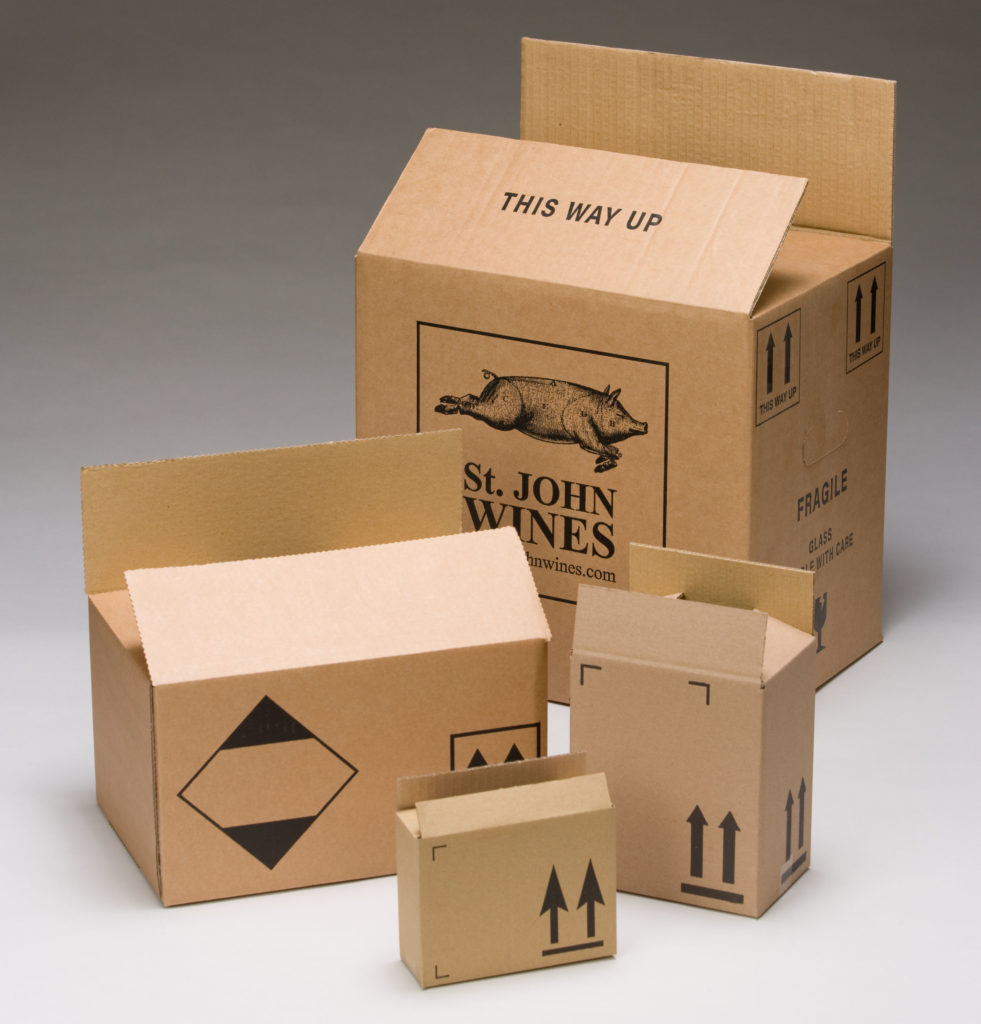
The packaging spec should make that easier. A logistics packaging specification should define the product fit, packing method, protection requirement, pallet build, dimensional consistency, and shipping route before production starts. Where route pressure and repeat handling drive the brief, our glued cases, transit and shipping boxes show the kind of practical protection decisions that matter.
If it forces packers to compensate with extra tape, extra void fill, extra handling, or workaround steps, it isn’t doing its job. It is like giving a picker the wrong bin location: the system still moves, but every correction steals time from the operation.
Practical Specification Points
A useful logistics and 3PL packaging brief should cover:
- product size, weight, fragility, and movement risk
- manual, semi-automatic, or automated packing method
- pick-and-pack workflow and expected packing speed
- void fill target and protection requirement
- pallet pattern, stacking height, and load stability
- dimensional weight, parcel carrier limits, and route to customer
- return potential and final customer receipt
- repeat-run tolerances and agreed specification checks
The point isn’t to make the spec more complicated. The point is to remove the small mismatches that make a warehouse slower, a pallet less stable, or a final delivery less reliable.
Volume Efficiency and Valuable Pallet Space
Volume efficiency is not a spreadsheet exercise.
If the packaging is too large, you lose vehicle capacity, racking efficiency, and valuable warehouse pallet spaces. If the packaging is too tight or under-specified, you increase damage risk and returns.
The right answer sits between those two failures. Manor Packaging looks for the board grade, dimensions, and structure that protect the product without wasting material or valuable warehouse pallet spaces.
Where Manor Packaging Fits
Established in 1987, Manor Packaging has over 35 years of trading experience from its Peterborough manufacturing base. Manor Packaging brings consultative design, in-house production control, and delivery reliability to logistics and 3PL packaging where consistency matters every shift.
We take a consultative approach because logistics packaging is not just a material choice. It is an operational decision. Think of it as setting the packing bench before the first order is picked: the pack, pallet, route, and return risk all need to be in the right place before volume starts moving.
We look at pack fit, pallet build, handling pressure, shipping performance, and how the specification affects total packaging cost once real volumes start moving.
What the Approach Gives You
For fulfilment and 3PL teams, the value is a pack that fits the product, the bench, the pallet, and the delivery route.
That approach gives logistics and 3PL buyers:
- a specification matched to product movement
- repeatable output to agreed dimensions
- clearer decisions around void fill, pallet build, and volume efficiency
Design Around the Operation
Our design team starts with how your operation actually works.
That can include picking flow, packing benches, case erectors, palletisation, returns, and final delivery expectations. If the packaging has to work for a 3PL customer as well as the end recipient, the design has to respect both points in the chain.
This is where bespoke packaging beats a generic stock decision. The pack is built around the product and process, not the other way round.
Production Capacity and Repeatability
In logistics and 3PL work, repeatability is the point of the capacity. Our high speed case-making machinery can produce glued corrugated packaging at up to 18,000 boxes an hour while keeping design, conversion, print, and repeat production under practical control.
Our capability includes 4 colour flexographic printing, die-cut packaging solutions, TCY Rotary Diecutters, a Vega Altair 240 Multipoint Gluer, a Bobst Expertfold 165 Multipoint Gluer, and an AG CAD Sample Table. That gives us practical control over design, conversion, print, and repeat production.
When a 3PL or fulfilment centre needs consistent packaging to agreed specification, production control is what keeps the operation moving.
Why Does Supply Reliability Matter in Logistics and 3PL?
Logistics work exposes weak suppliers quickly. If packaging arrives late, the warehouse feels it immediately. Our OTIF delivery guide covers that supply-risk argument in more detail, but the short version is simple: packaging failure can stop dispatch, slow fulfilment, increase returns, and damage the relationship between your operation and the final customer.
It behaves like a missing dispatch bay at peak time. The work may still move, but the queue gets longer, the pressure spreads, and the final customer sees the delay first.
If the output varies from the agreed specification, the packing team has to compensate. If the pack fails after dispatch, the final customer sees the problem first.
OTIF and Demand Spikes
Manor Packaging has a history of 96-98.5% On-Time, In-Full (OTIF) delivery performance.
We also maintain an ongoing target of 30% capacity headroom buffer throughout the calendar year. That helps when volumes rise, when forecasts move, or when your operation needs a supplier who can respond without letting quality slide.
Large enough to cope, small enough to care is especially relevant for logistics and 3PL packaging. You need the capacity to support volume and the attention to detail to keep the pack consistent.
Standards and Specification Context
FEFCO standards and guidelines are useful for format choices, while the ONS producer price index gives procurement teams wider context on corrugated paper and packaging costs. The service decision still comes back to fit, repeatability, assembly time, volume efficiency, and final customer receipt.
If you are reviewing logistics and 3PL packaging for a live fulfilment, warehouse, or distribution operation, talk to Manor Packaging about the current specification. We will look at the product, packing bench, pallet build, route, returns risk, and total packaging cost before recommending the next step.