

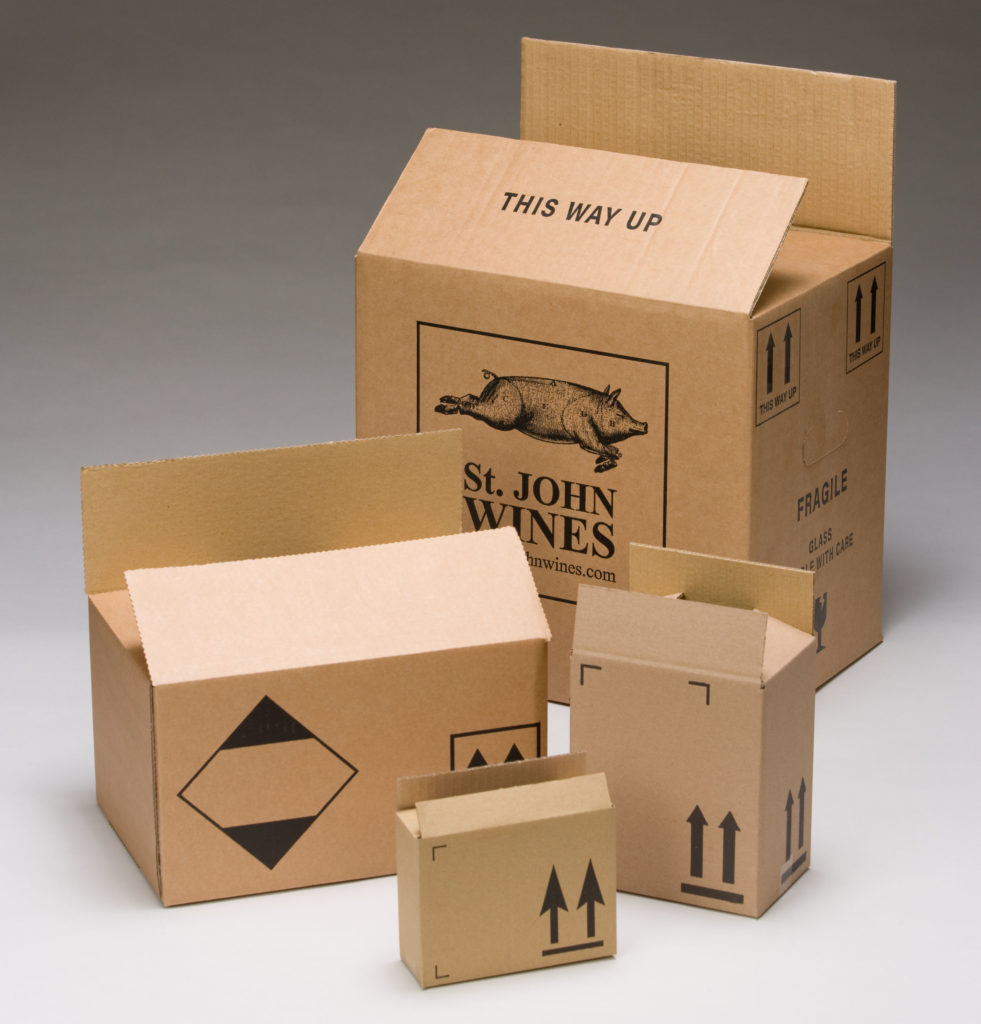
Floral And Horticultural Packaging
Why Does Manor Packaging Build Floral And Horticultural Packaging Around The Product Journey?
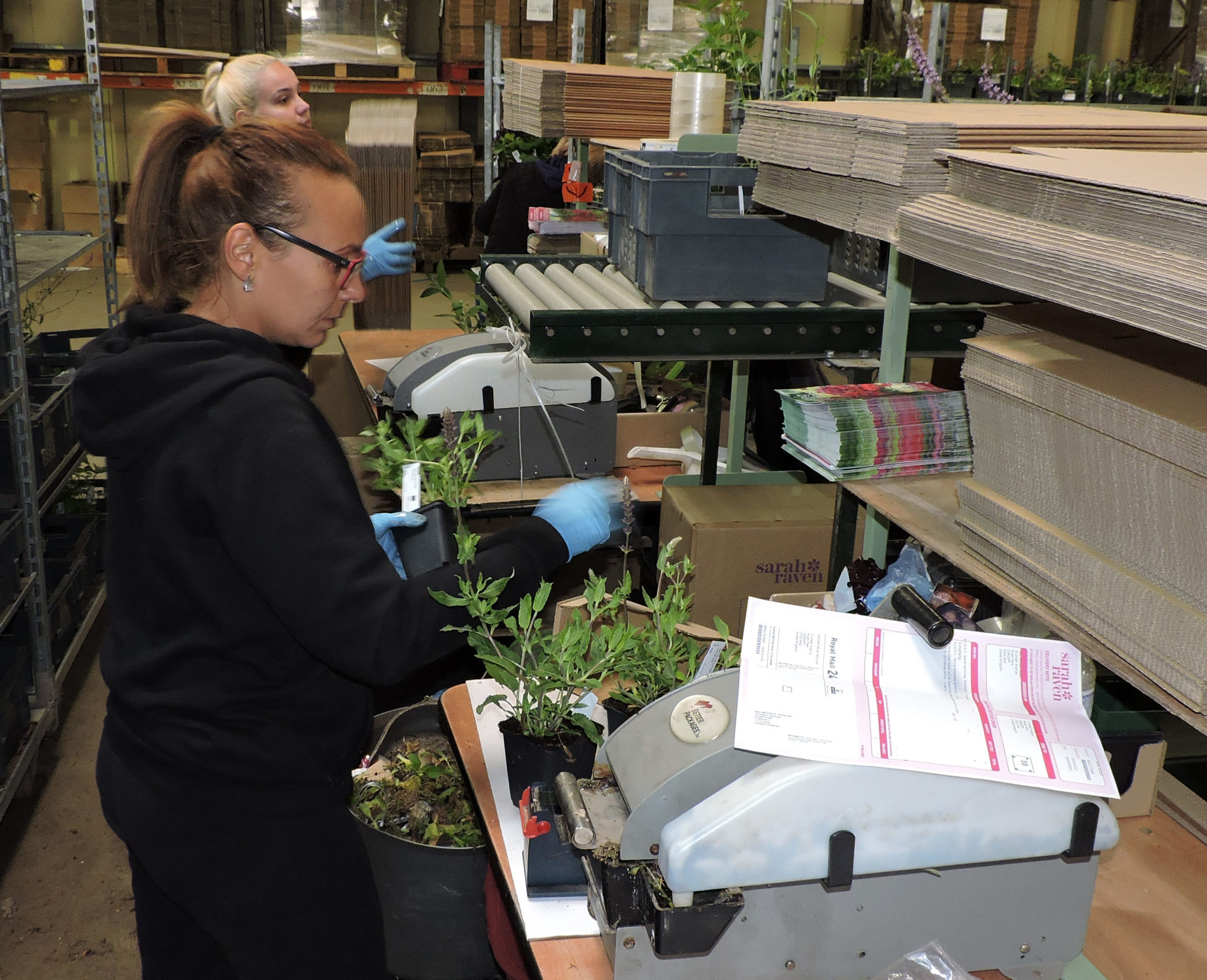
Floral and horticultural packaging has got to secure the product, protect shape and condition, allow sensible handling and help plants or flowers arrive in saleable condition.
Delicate Products Expose Weak Packaging Fast
A potted plant, bouquet, bulb tray and garden accessory don’t move through the supply chain in the same way. We’ve seen each format create a different handling problem once the order leaves the packing bench.
Pots can shift. Stems can bend. Trays can flex.
Where Movement Becomes Cost
A display pack can arrive structurally sound but still look poor at final customer receipt. If the packaging doesn’t manage that movement, the cost appears as crushed foliage, unstable pots, returns, wasted packing time and final customer complaints.
Manor Packaging designs and supplies floral and horticultural gift packaging around those movement risks. Your pack’s got to protect the product before it can support presentation.
What The Pack Has To Support
Floral and horticultural packaging usually needs to support six practical jobs:
- product restraint so pots, stems or accessories don’t move too freely
- board strength for stacking, handling and delivery pressure
- sensible airflow where the product needs ventilation through the route
- presentation quality so the product reaches the customer looking cared for
- Plant Passport label space where horticultural routes need it
- repeatable assembly for seasonal or high-volume dispatch periods
Think of the pack like a trolley layout before dispatch. If the product isn’t held in position at the start, you’ll see more risk with every movement after that.
The Cost Is Not Just Damage
Visible damage is only one part of the problem.
Poor floral packaging can slow packing, waste warehouse space, increase void fill and create returns. That’s why the packaging’s got to be judged on total packaging cost, not just the outer case.
The right specification protects condition and pace. A pack that protects the plant but takes too long to assemble won’t help when seasonal volume rises.
How Does Manor Packaging Design Floral And Horticultural Packaging?
What does it take to design packaging that survives every handling point, from packing bench to final receipt?
The Manor Approach
Established in 1987, Manor Packaging has over 35 years of trading experience in corrugated packaging for businesses that need dependable repeat orders.
Our consultative approach starts with the product journey: how the item is packed, stored, stacked, shipped and received, and the answer may be a printed outer case, a Transit and Shipping Box, a Die Cut Packaging solution, internal dividers or a made-to-measure custom packaging solution designed around a specific product range. That design review works like a pre-flight checklist because if something’s loose before the product leaves the bench, it won’t become more secure once it meets stacking, handling and delivery pressure.
We supply packaging around your product journey because floral and horticultural products punish loose specifications quickly.
Specification Checks
For floral and horticultural work, we usually check the following details:
- product height, movement risk and presentation requirement
- whether the pack needs ventilation, restraint or internal fittings
- print, labelling or Plant Passport space
- repeat-run consistency for retail, garden centre or e-commerce supply
- pallet build, courier handling and final customer receipt
Plant movement can create specific labelling requirements too. The Plant Health Portal (planthealthportal.defra.gov.uk) sets out Plant Passport visibility requirements for regulated plant material.
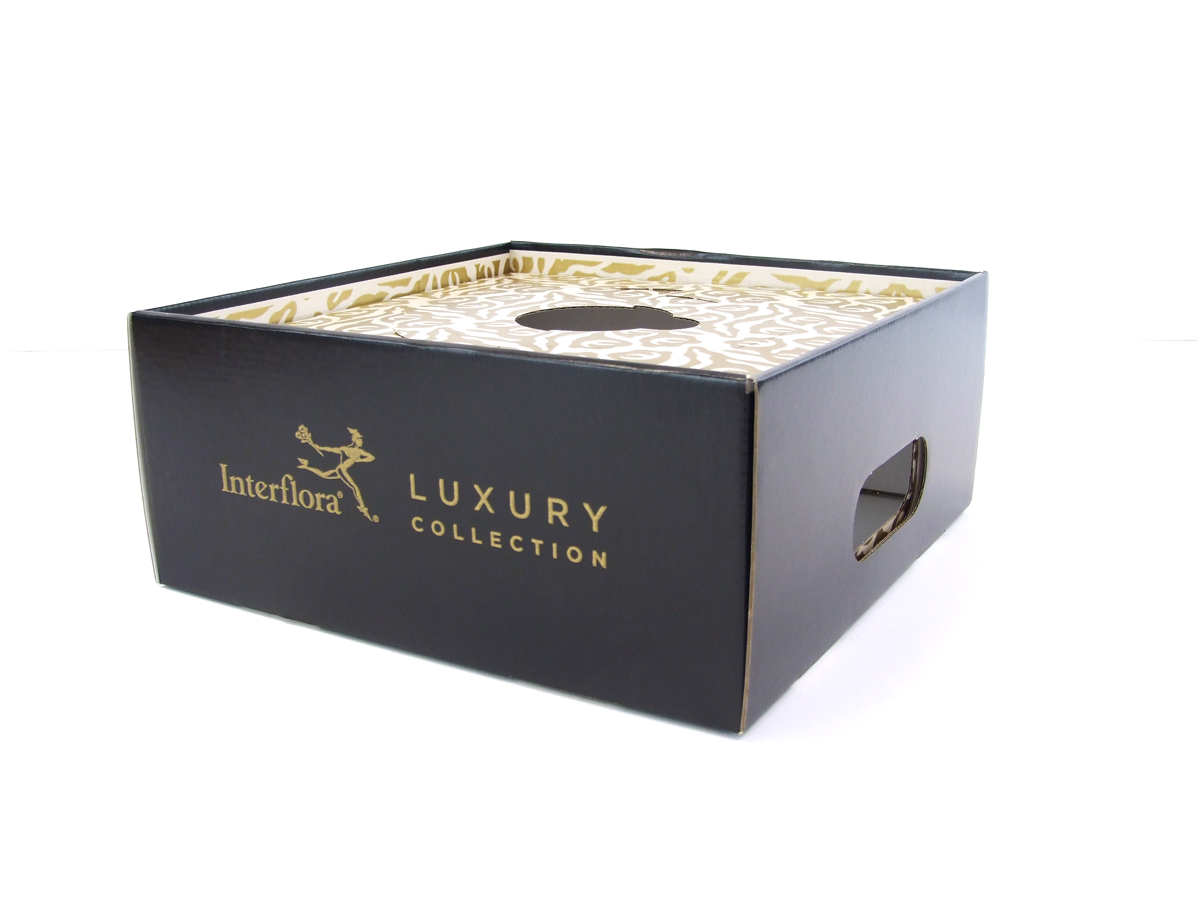
Product Risks That Shape Floral And Horticultural Packaging
What happens when a pot shifts, a tray flexes or a bouquet moves inside the case?
Pots, Trays And Accessories
Potted plants and trays need restraint before they need decoration. If the pot can move, the pack can arrive with soil displaced, stems pressed against the side wall or the product sitting badly in the display face.
For these products, Manor Packaging looks at internal fit, board grade, tray support and the way the pack will be lifted, stacked and delivered. The packaging should behave like a well-set packing station: everything has a position, every movement is expected, and nothing relies on luck.
That repeatability matters when the same product is moving every day.
Product Risk Checks
These checks keep the design tied to the product journey, not just the box size. Manor Packaging uses them to spot where movement, pressure or presentation can fail.
Manor Packaging usually checks product risk through:
- movement inside the pack
- pressure from stacking
- ventilation needs
- final presentation at receipt
Bouquets, Gifting And E-Commerce Routes
Bouquets and floral gifting packs carry a different risk. The customer receives the product directly, so presentation becomes part of the service.
A pack can protect the stems but still feel careless if the structure bends, the print looks poor or the product has moved inside the case. We’ve connected that point to Do Your Packaging Designs Need An Update? because floral packaging often has to protect and present at the same time.
The pack’s got to arrive looking like somebody cared about the contents.

Sustainability In Floral And Horticultural Packaging
Sustainability only helps if the pack still protects the product.
Practical Material Choices
Manor Packaging’s factory is powered by 40% rooftop solar energy, 80% of our material is from already recycled sources, and the end product is 99.9% recyclable. We hold ISO 14001 and FSC chain-of-custody certification C115460.
Those facts support procurement and reporting, but we don’t treat them as a substitute for product protection. If a pack fails and the product’s got to be replaced, the environmental gain is weakened by waste, extra handling and another delivery. Adding a greener material without testing the route is like changing a machine part without checking the line speed, so the intention may be right, but the system still has to run.
The HTA sustainability roadmap (hta.org.uk) shows why growers and retailers are under pressure to reduce waste across the horticultural supply chain.
EPR And Repeatable Data
Extended Producer Responsibility has made packaging data more visible for growers, retailers and suppliers. Consistent material specifications help teams understand pack weight, material type and recyclability.
We keep the discussion practical. The pack’s got to work on the line, protect the product and give your team a clear specification to manage across repeat orders.
Good sustainability starts with a pack that doesn’t fail.
Practical Sustainability Checks
The sustainability review’s got to sit alongside product protection. Manor Packaging checks whether the material choice reduces waste without making the product harder to ship.
The practical sustainability check covers:
- material type
- recyclability
- product waste risk
- repeatability across orders

Total Packaging Cost In Horticultural Supply
The first quote line rarely shows the full packaging cost.
Seasonal Peaks Expose Weak Specifications
Floral and horticultural volumes can rise sharply around Mother’s Day, Easter, spring planting, Christmas and promotional retail periods, and a pack that behaves acceptably at low volume can become expensive when your team’s got to repeat the same correction all day. Peak demand works like a stress test on a packing line. It exposes the little fixes people can hide at low volume, then turns them into repeated labour.
If staff have to straighten inserts, add extra void fill, reinforce corners or repack damaged goods, the packaging isn’t doing its job. Those labour costs sit outside the quoted case price, but they’ll still land in your operation.
That’s why 5 Common Packaging Mistakes Costing You Money applies so clearly to this sector.
Hidden Cost Signals
These costs rarely appear on the first quote, but they appear quickly once the team starts packing at volume. Manor Packaging checks them before recommending a change.
The main hidden costs usually include:
- repacking
- damaged stock
- extra void fill
- slow assembly
- poor pallet use
Storage, Pallets And Delivery
Horticultural products often need practical storage and careful movement. The packaging’s got to support the pallet pattern, protect product shape and avoid wasting valuable warehouse pallet spaces.
Manor Packaging reviews the pack against the full route, not just the product dimensions. That includes how the order is picked, how the pack stacks, how much shipping air is being paid for and whether the product reaches the customer in saleable condition.
The cost is usually found where the pack meets real handling.
Repeatable Supply From Manor Packaging
Seasonal movement is easier to manage when the packaging specification is already settled.
Capacity For Seasonal Movement
Our production line runs at 18,000 boxes an hour, and Manor Packaging maintains an ongoing target of 30% capacity headroom buffer throughout the calendar year. That matters when a seasonal campaign moves faster than forecast. Good supply planning is like a production schedule: it works best when dimensions, artwork, board grade and demand signals are agreed before pressure arrives.
We can’t remove every market pressure, and we won’t pretend otherwise. What we can do is plan the specification, production and delivery route properly, so your packaging is not the reason product is sitting still.
That’s the difference between a box supplier and a packaging partner.
Delivery Performance And Repeat Orders
Manor Packaging has a history of 96-98.5% On-Time, In-Full (OTIF) delivery performance. For floral and horticultural businesses, that reliability protects the production plan as much as the product itself.
For wider manufacturing capacity and regional supply detail, our corrugated packaging Peterborough page explains the Manor Packaging base behind this service.
Repeatable supply means the same specification arrives when your team expects it.
Supply Planning Signals
Repeatable supply depends on settled inputs. Manor Packaging uses these signals to keep the specification practical when orders repeat or seasonal demand increases.
For Manor Packaging, repeatable supply depends on:
- settled artwork and dimensions
- clear production planning
- consistent board specification
- realistic demand forecasting
What Should Buyers Check Before Changing Floral And Horticultural Packaging?
Before changing a floral or horticultural pack, buyers should check what the current pack is really doing across the full route.
Useful Review Questions
The most useful questions are practical:
1. Does the product move too much inside the pack?
2. Does the product need ventilation through the route?
3. Is there enough space for Plant Passport or product labelling?
4. Does the pack support shelf, gifting or final customer presentation?
5. Can the team assemble the pack quickly during peak periods?
6. Can the supplier repeat the specification when volume changes?
These questions move the conversation away from the quote line and towards total packaging cost. It’s the same logic as checking a warehouse layout before adding more stock. The dimensions matter, but the movement, handling and repeatability decide whether the change works.
Packaging Consultation
Manor Packaging can review your current floral and horticultural packaging against product movement, line speed, material use, delivery route and supply reliability. We’ll look at where the current specification helps, where it creates risk and whether a different corrugated format would support your team better.
The final recommendation may be simple. It may be a different board grade, a new insert, a printed outer, a Die Cut Packaging solution or a revised pack count.
The right answer is the one your team can run repeatedly.
How to Arrange a Packaging Consultation?
To review your current packaging against product protection, presentation, line speed and repeatable supply, contact Manor Packaging. We’ll look at where the current specification helps, where it creates risk and whether a different corrugated format would support your team better.
Get In Touch

Manor Packaging Ltd
200 Station Road
Whittlesey
Peterborough
PE7 2HA
FAQs
What Is The 3 5 8 Rule For Florists?
The 3 5 8 rule is a floristry pricing model where labour, product cost and selling price are separated into a simple ratio. It’s not a packaging specification. Manor Packaging focuses on the operational question: whether the floral pack protects the product, presents it well and supports total packaging cost.
What Are The Methods Of Packaging In Horticulture?
Common horticultural packaging methods include trays, sleeves, outers, dividers, inserts, display packs and transit cases. The right method depends on product movement, ventilation, label space, moisture sensitivity, route and final presentation. Manor Packaging reviews those details before recommending a corrugated format.
What Are The 4 Types Of Packaging?
The 4 broad packaging types are primary, secondary, tertiary and transit packaging. Floral and horticultural products can use several of these layers, from a sleeve or pot tray through to a printed outer case, display-ready pack or delivery case.
What Are The 7 Types Of Packaging?
The 7 packaging types are often described as primary, secondary, tertiary, transit, retail, protective and display packaging. Floral and horticultural packaging often crosses retail, protective, display and transit roles, because the pack’s got to protect condition and support presentation at final receipt.
Floral And Horticultural Packaging Wholesale
Wholesale floral and horticultural packaging needs repeatable dimensions, stable stacking, product restraint and clear labelling for growers, garden centre suppliers and floral distributors.
Floral And Horticultural Packaging Near Me
Manor Packaging manufactures from Peterborough and supplies growers, wholesale florists, e-commerce operators and gifting businesses across the East Midlands, Cambridgeshire, Lincolnshire, Northamptonshire and East Anglia. If you’re looking for floral and horticultural packaging near you, reliable delivery matters as much as local distance.
Floral And Horticultural Packaging Supply Options
Floral and horticultural packaging supplies can include printed outers, transit cases, dividers, trays, inserts and Die Cut Packaging solutions, depending on the product journey.
Large enough to cope, small enough to care. Experts in the design and manufacture of floral and horticultural packaging.