

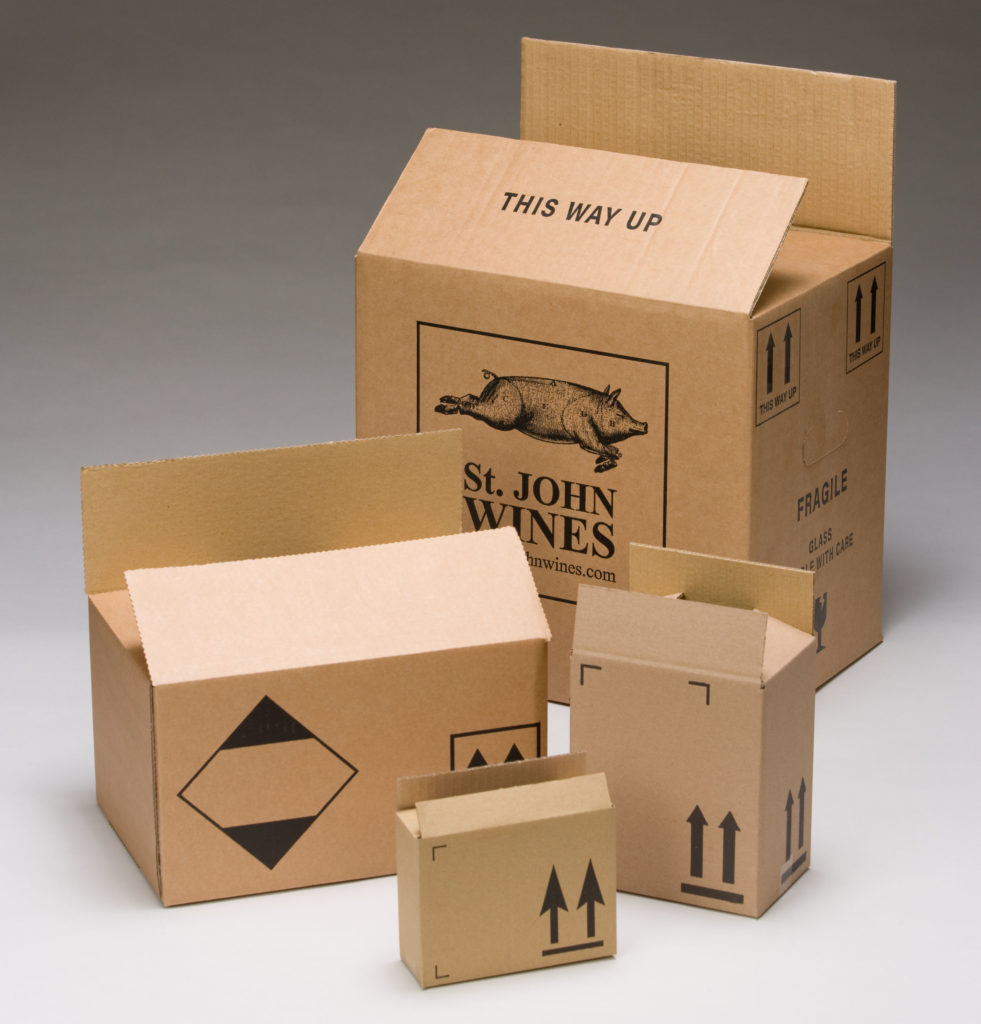
Homeware Packaging
Bespoke Homeware Packaging: Shipping Boxes, Engineered for Protection, Presentation, and Reliability
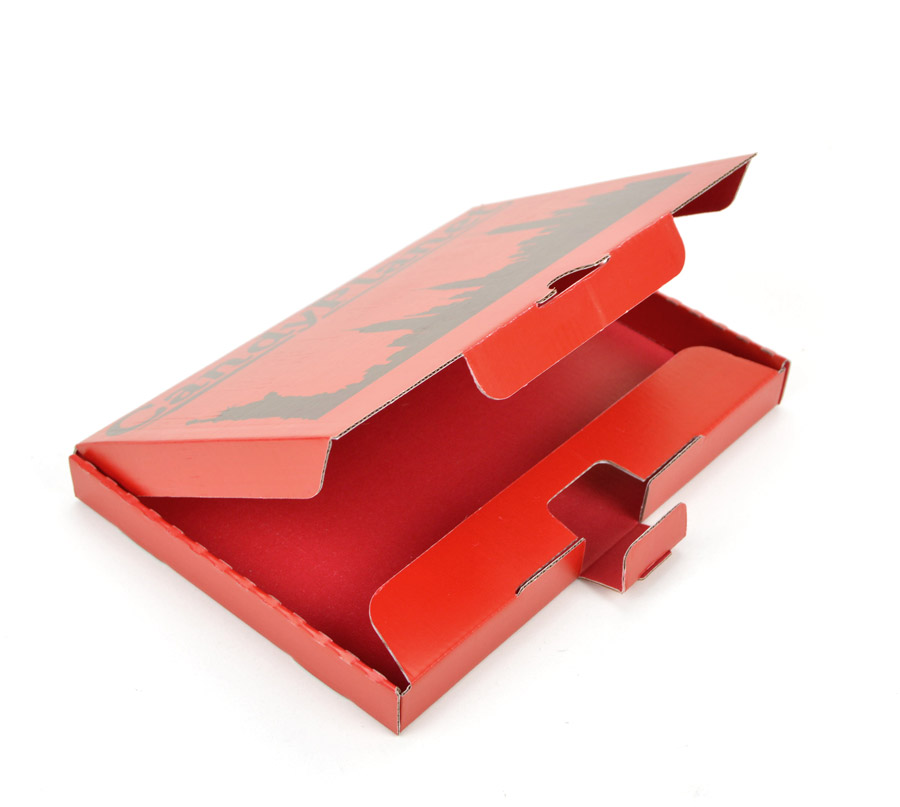
Homeware packaging has to protect products that are often fragile, awkward, heavy for their size, or visually important once they reach the shelf, showroom, warehouse, doorstep, or final customer receipt.
At Manor Packaging, we design bespoke homeware packaging for manufacturers, retailers, distributors, e-commerce businesses, and brand owners that need practical protection, consistent presentation, and better control over total packaging cost. We’ve seen that homeware damage usually starts with a poor fit, not a dramatic shipping failure.
Homeware packaging works when the pack is built around the product’s shape, weight, weak points, handling route, and presentation requirements.
The Weak Point Is Usually Movement
Ceramics, glassware, candles, kitchenware, decorative items, and small furniture components all create different packaging problems. You can’t treat them as the same pack with a different label.
Some products crack at the edge. Some mark easily. Some shift inside the pack if the insert is even a few millimetres out.
The packaging specification has to behave like a warehouse location system. If the product is held in the wrong place, everything after that becomes harder to control.
Homeware packaging usually needs to manage:
- impact protection for fragile edges, corners, handles, and surfaces
- internal dividers or bespoke die-cut packaging solutions that reduce product movement
- consistent box dimensions for storage, fulfilment, and repeat ordering
- retail-ready presentation where the pack is part of the buying experience
The Pack Has to Protect the Brand Too
A broken mug, scuffed candle box, marked frame, or rattling delivery does more than create a replacement cost. That’s the moment your customer questions the whole purchase.
It changes the customer’s view of the brand. That is why the packaging has to protect the product and the presentation together, especially when homeware moves through e-commerce, retail replenishment, or national distribution.
How Does Better Homeware Packaging Reduce Total Packaging Cost?
Better homeware packaging reduces total packaging cost by cutting product movement, avoidable void fill, returns, repacking time, and damage through the packaging supply chain.
What Buyers Usually Need to Know
Choosing homeware packaging from a standard range is like picking racking without measuring the stock.
It may look efficient until the first real volume arrives. Buyers usually need to answer the practical questions before they talk about unit price, because that’s where the hidden cost starts.
- Will the packaging protect fragile or awkward products through shipping?
- Will the insert or divider hold the product consistently across repeat runs?
- Will the pack reduce plastic-based void fill without creating new handling problems?
- Will the dimensions protect storage space without adding avoidable handling?
What Makes Homeware Packaging Harder Than It Looks?
Homeware looks like a simple category until you start measuring the products. A candle, a ceramic bowl, a mirror, a picture frame, and a boxed kitchen accessory all fail in different ways.
That is why homeware packaging needs product-led design. The weak point might be a handle, a corner, a glazed surface, a printed sleeve, or the empty space that lets the product move during shipping.
Fragile Edges Need Controlled Space
Perimeter protection, internal dividers, air-gap crush zones, and excess void space all need to be considered before the pack is approved. In plain terms, the pack has to create the right amount of space in the right place.
Too much space lets the product move. Too little space transfers impact straight into the item. The right fit behaves like good racking: the product sits where it should, and the operation can trust it every time.
Awkward Shapes Need Bespoke Internal Protection
Homeware rarely gives you neat square products at convenient weights. That is where bespoke dividers, layer pads, wraparound pieces, and die-cut protection can reduce movement without filling the pack with material the buyer does not need.
This matters for ceramics, glassware, candle ranges, picture frames, kitchenware, decorative sets, and smaller furniture components. The job is not simply to make the product fit in a box. The job is to stop the product finding its own route through the pack.
How Should Board Grade and Flute Choice Be Used?
Board grade should follow the product and the handling route. A homeware pack going through retail replenishment does not always need the same board as an e-commerce pack moving through a courier network.
Flute profiles, Edge Crush Test thinking, and FEFCO structures can help frame the decision. We would turn that into a practical packaging conversation rather than a technical lecture.
Single Wall for Lighter Presentation Packs
E-Flute and B-Flute single wall can work well where the product is lighter, the print surface matters, and the pack needs to look clean at point of sale. These grades can support retail-facing consistency without overbuilding the case.
Double Wall Where Stacking Strength Matters
EB or BC-Flute double wall board becomes more relevant when the product is heavier, the pallet stack is under pressure, or the pack has to cope with repeated warehouse handling. The extra strength should solve a known problem, not simply make the packaging feel more substantial.
A heavier board can still be the wrong answer if the internal fit is poor.
How Do Retail, E-Commerce and Sustainability Pull Together?
Homeware packaging often has to do two jobs at once. It needs to protect fragile products through the packaging supply chain, and it needs to arrive with enough presentation quality to protect the brand.
That is especially true for brand owners selling across retail and e-commerce. A pack may need shelf-ready presentation for one route and courier-ready protection for another, without becoming two entirely separate specifications.
- Retail packs need clean presentation, print consistency, and dimensions that work in store.
- E-commerce packs need movement control, clear closure, and less reliance on loose void fill.
- Warehouse teams need repeatable dimensions that protect valuable warehouse pallet spaces.
- Procurement teams need a material mix that supports EPR reporting and avoids needless complexity.
If product damage, slow packing, or mixed material use keeps coming back, the issue may sit among the packaging mistakes that cost money rather than with the product itself.
Which Homeware Products Need Different Packaging Decisions?
Homeware packaging should not treat the category as one product family. A ceramic set, a candle range, a framed print, a kitchen accessory, and a flat furniture component all need different pressure points controlled.
That is why the first useful question is not what box size is closest. It is what damage pattern the product is most likely to suffer.
Ceramics, Glassware and Candles
Ceramics and glassware need controlled separation and edge protection. Candles may need surface protection, label protection, and space that stops lids, jars, or outer sleeves from rubbing during shipping.
The wrong fit shows up quickly. A product can survive the warehouse and still arrive with a marked sleeve, chipped edge, cracked handle, or loose fit that makes the customer doubt the order.
Frames, Mirrors and Flat Items
Flat homeware creates a different problem. The pack needs to resist bending, protect corners, and keep pressure away from glass or decorative surfaces.
A telescopic or wraparound structure may be more useful than a standard case where the product needs perimeter protection rather than loose cushioning. The point is to stop impact reaching the weak part of the product.
Small Furniture Components and Kits
Small furniture components and homeware kits often need part separation, hardware containment, and clear packing order. If screws, brackets, panels, and printed instructions can move freely, the pack becomes a customer service problem before the product is assembled.
How Should Homeware Packaging Work in the Warehouse?
The warehouse view matters because homeware ranges often carry multiple SKUs, seasonal lines, retail packs, and e-commerce variants. Packaging that looks fine on a single sample can become expensive when the range goes live.
Repeatable outer dimensions help storage, picking, pallet stacking, and dispatch. They also make it easier to spot when a product has been packed incorrectly.
Protecting Valuable Warehouse Pallet Spaces
Oversized packaging uses valuable warehouse pallet spaces before it ever costs more in shipping. It can reduce pick-face density, create unstable pallets, and force teams to handle more air than product.
The better specification protects the product with the least unnecessary space. That is how you reduce void fill, damage, and handling time together.
Repeat Runs Need Repeatable Specs
Homeware buyers often need repeat orders to behave exactly like the previous run. If the board, insert, or dimension changes without control, the warehouse team has to relearn the pack.
That is why box consistency, manufacturing tolerances, and agreed specification matter. A reliable pack lets the team trust the process instead of checking every exception.
Where Manor Packaging Fits
Established in 1987, Manor Packaging has over 35 years of trading experience in homeware packaging, with the Fencor Packaging Group formed in 1999.
Our consultative approach starts with the product, the packing bench, the storage route, and the delivery environment. We’re looking at fit, board grade, internal protection, packing speed, and presentation consistency, because those are the details that reduce total packaging cost at volume.
Large enough to cope, small enough to care. Experts in the design and manufacture of homeware packaging.
Get In Touch

Manor Packaging Ltd
200 Station Road
Whittlesey
Peterborough
PE7 2HA
FAQs
Can Manor Packaging manufacture homeware packaging?
Yes, Manor Packaging manufactures corrugated homeware packaging for retailers, brand owners, manufacturers and e-commerce operations. We design around product shape, fragility, storage, handling and delivery route.
What makes homeware packaging difficult?
Homeware products often vary in weight, shape, finish and fragility. The packaging has to protect the product while keeping packing speed, storage space and total packaging cost under control.
Can homeware packaging work for both retail and e-commerce?
Yes, the same product range can need different packaging routes for retail shelves, warehouse storage and direct-to-customer delivery. Manor Packaging can review those routes before setting the specification.
Can you help reduce damage in transit?
Yes, we can review product fit, board grade, flute choice, inserts, void fill and handling pressure. Reducing movement inside the pack is usually the first practical step.
Can homeware packaging be printed?
Yes, homeware packaging can use branded print where presentation matters. The print decision should sit alongside structure, pack consistency and the way the packaging moves through the operation.