

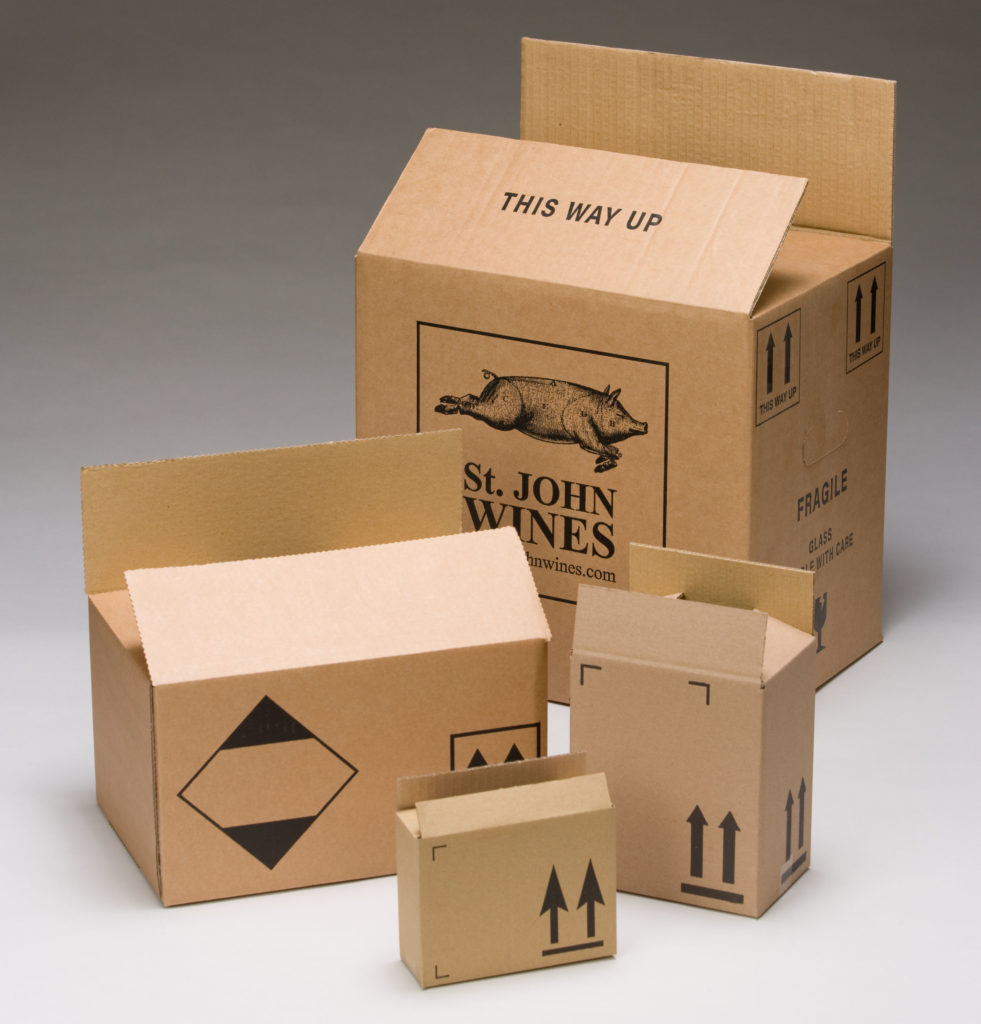
Industrial Packaging
Why Does Industrial Packaging Need to Be Designed Around the Job, Not the Catalogue?
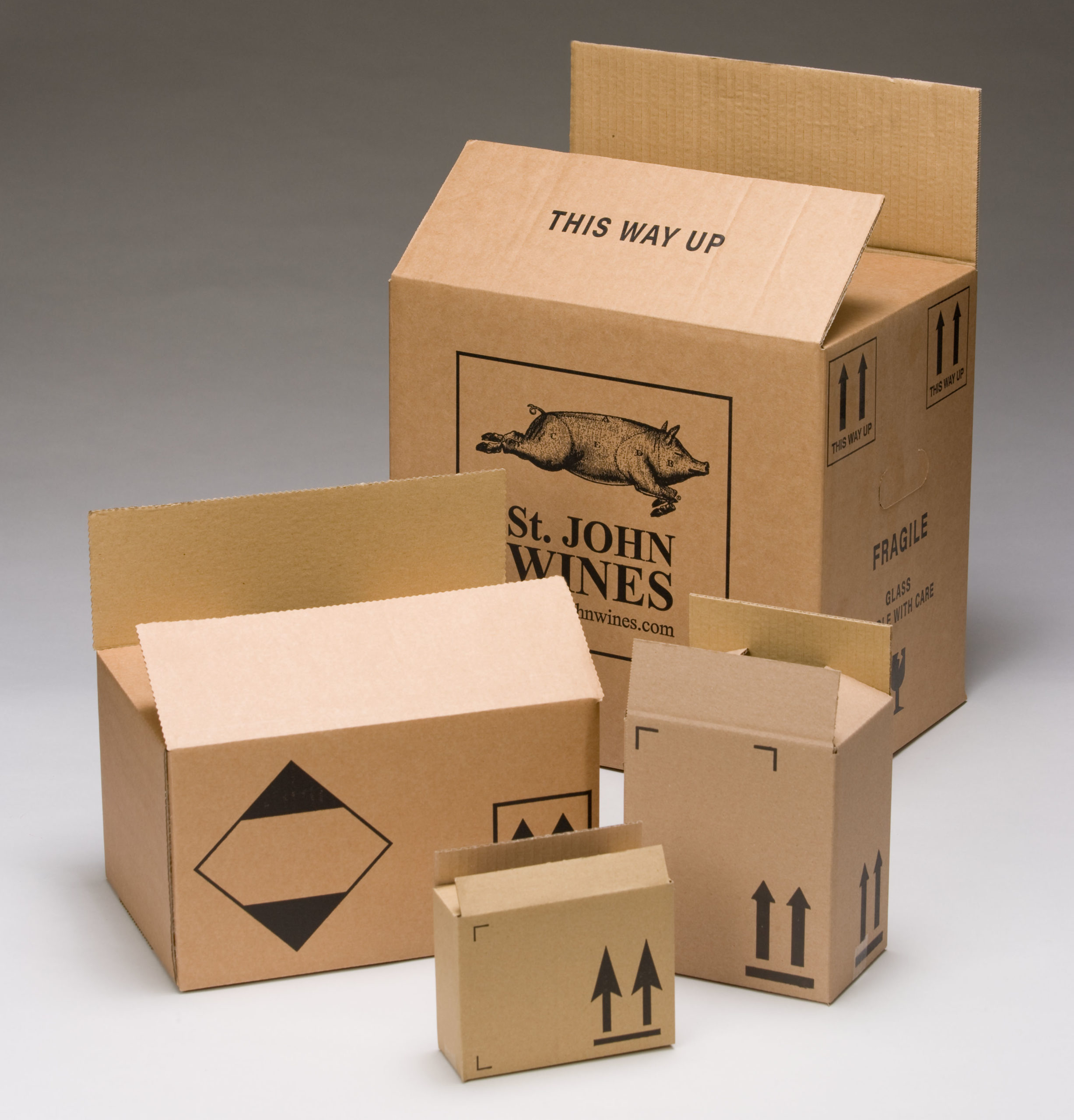
Industrial packaging has to protect products that are heavier, less forgiving, and more operationally awkward than standard retail goods.
At Manor Packaging, we design bespoke industrial packaging for manufacturers, engineering firms, distributors, and warehouse-led operations that need reliable supply, practical protection, and better control over total packaging cost. This page explains how fit, board grade, handling conditions, and repeatability shape a packaging specification that keeps doing the job under pressure.
Industrial packaging works best when it is built around the product, the handling environment, the FEFCO format, and the transport route, rather than pulled from a standard box range and hoping for the best. Manor Packaging also keeps UK manufacturing, warehousing, and distribution conditions in view when setting the right specification.
Industrial Loads Expose Weak Specifications Fast
Industrial buyers are usually looking for something that protects the product, moves cleanly through the operation, and arrives in one piece.
The detail that matters sits on the factory floor: stacking strength, handling damage, fit, weight distribution, and how the specification performs when the pack is lifted, stored, wrapped, and shipped at volume. If the spec is weak, you’ll see the problem quickly.
What the Pack Has to Handle
Industrial packaging usually needs to handle:
- heavier or irregular products that put more pressure on the board and structure
- warehouse and fork-lift handling where weak edges and poor fit show up quickly
- palletisation demands that affect stability, volume efficiency, and load safety
- repeat orders at scale where box consistency and manufacturing tolerances matter every time
- final customer receipt where poor presentation or damage can trigger returns
A weak industrial spec behaves like loose tooling on a production line. It might pass the first run, but the cost shows up once the pressure builds.
It Has to Work Beyond Dispatch
A pack that survives dispatch but causes product movement, scuffing, crushing, wasted space, or a product return is still costing you money.
The real test is whether the packaging performs across storage, internal handling, transport, unloading, and final customer receipt. That’s why industrial packaging should be judged by operational foresight and outcome, not just by whether the unit price looked attractive on the quote.
How Does Better Industrial Packaging Reduce Total Packaging Cost?
Better industrial packaging reduces total packaging cost by improving protection, handling efficiency, pallet performance, and repeatability throughout the packaging supply chain.
What Buyers Usually Need to Know
The first conversation shouldn’t be “What is your lowest box price?”
It should be:
- Will the packaging protect the product under real warehouse and shipping conditions?
- Will the spec palletise well and use space properly?
- Will the board grade and structure stay consistent from run to run?
- Will the packaging reduce handling damage, repacking, and avoid disruption to my supply chain?
- Will the product reach the final customer without avoidable returns?
Why Unit Price Misses the Point
Those questions matter because the cheapest unit price can hide the most expensive operating cost. Damage write-offs, repacking, line downtime, and customer returns are usually the costs that make an industrial packaging spec fail. The pack has to reduce pressure in the operation, not move it somewhere else.
It is the same as a machine running slightly below spec: the first shift may get through, but the monthly output report shows where the lost time went.
Where the Cost Usually Hides
Industrial packaging cost is rarely just the packaging price.
It can sit in extra labour when a pack is slow to erect. It can sit in wasted space when the dimensions do not suit the pallet build. It can sit in rework when a repeat run does not match the agreed specification.
That’s why Manor Packaging works on the total packaging cost. The aim is to make the packaging fit the product, the operation, and the route through the supply chain.
What Should an Industrial Packaging Specification Cover?
If the spec only says “industrial packaging”, it isn’t specific enough.
An industrial packaging specification should define the product fit, board grade, handling route, pallet build, manufacturing tolerances, and repeatability requirements before production starts. For many industrial products, that includes the same protection logic behind our glued cases, transit and shipping boxes. Otherwise, it is like a production drawing with the tolerances missing: the broad shape is there, but the part may not work once it is put under pressure.
A component manufacturer, engineering distributor, fulfilment operation, and warehouse-led supplier can all use corrugated packaging for industrial products, but the risks are different. The right specification has to describe what the pack is protecting and how it will be handled.
Practical Specification Points
A useful industrial packaging brief should include:
- product dimensions, weight, and pressure points
- how the product is loaded into the pack
- whether the pack is manually handled, mechanically handled, or moved by fork-lift
- pallet height, stacking pattern, and recommended weight limit
- shipping route and expected handling pressure
- whether inserts, fitments, or die-cut packaging solutions are needed
- repeat-run tolerances and quality checks
This is where a consultative approach is more useful than a standard box list. A small design change can make the pack easier to fill, stack, wrap, and ship.
Board Grade Decisions
E-Flute and B-Flute single-wall board can be useful for lighter industrial components, printed outers, and applications where conversion accuracy matters.
EB or BC-Flute double-wall board can support heavier products or supply routes with more stacking and handling pressure. The choice should come from the product and the route, not from habit.
The work here is fit-for-purpose corrugated design for manufacturers and distributors who need protection, consistency, and a sensible total packaging cost.
Where Manor Packaging Fits
Established in 1987, Manor Packaging has over 35 years of trading experience from its Peterborough manufacturing base. Manor Packaging combines consultative project management, in-house design, and production control to create industrial packaging that protects products and supports repeatable operations.
The specification works like a job sheet on the factory floor. If the loading method, route, and quality checks are missing, production can still start, but the result depends too much on guesswork.
Our consultative approach starts with the product, the packing method, and the route through the packaging supply chain. We look at how the spec is erected, filled, stacked, wrapped, moved, and delivered, because that is where total packaging cost is won or lost.
What the Approach Gives You
For industrial buyers, the value is a specification that connects product protection, handling pressure, and repeat-run control.
That approach gives industrial buyers:
- a specification built around real handling pressure
- board and structure choices matched to the route
- clearer responsibility from design through production
Design and Project Management
Great design is achieved through collaboration and understanding.
Our design and project management process is built around that idea. We work with your team to understand the product, the objective, the packing process, and the delivery requirement before recommending a structure.
That’s the way Manor Packaging already works: bringing your knowledge and ours together, then producing packaging that is fit for purpose and perfect for need.
Production Control and Precision Quality
Manor Packaging has invested in people, equipment, technology, and training to keep production under control.
Our manufacturing capability includes high speed case-making machinery, 4 colour flexographic printing, TCY Rotary Diecutters, a Vega Altair 240 Multipoint Gluer, a Bobst Expertfold 165 Multipoint Gluer, and an AG CAD Sample Table. We produce glued corrugated packaging at up to 18,000 boxes an hour.
For industrial buyers, the difference is rarely dramatic marketing language. It is Precision Quality, dependable output, and a packaging specification that keeps doing the job under pressure.
Why Does Delivery Reliability Matter for Industrial Buyers?
Industrial operations often plan labour, dispatch, and customer delivery around packaging availability. If the wider supplier decision is under review, our corrugated packaging supplier guide explains the reliability questions that usually sit behind the specification.
Packaging reliability sits in that plan like any other production component. If it arrives late or varies from the agreed specification, the whole operation has to compensate.
If the pack is late, the cost doesn’t stay with the packaging supplier. It moves into production schedules, warehouse flow, customer service, and sometimes product returns.
OTIF and Capacity Headroom
Manor Packaging has a history of 96-98.5% On-Time, In-Full (OTIF) delivery performance.
We also maintain an ongoing target of 30% capacity headroom buffer throughout the calendar year. That headroom helps us support repeat orders, demand spikes, and practical changes without treating every variation as a crisis.
Large enough to cope, small enough to care is not just a line. It describes the balance industrial buyers want: enough capacity to respond and enough attention to understand the job properly.
Standards and Specification Context
FEFCO standards and guidelines are useful for corrugated formats, and CPI recyclability guidelines help procurement teams check fibre-based packaging expectations. The useful part is applying that context to the real product, route, handling pressure, and repeat-run requirement.
If you are reviewing bespoke industrial packaging for a live operation, talk to Manor Packaging about the current specification. We will look at the product, packing method, route through the packaging supply chain, and total packaging cost before recommending the next step.