

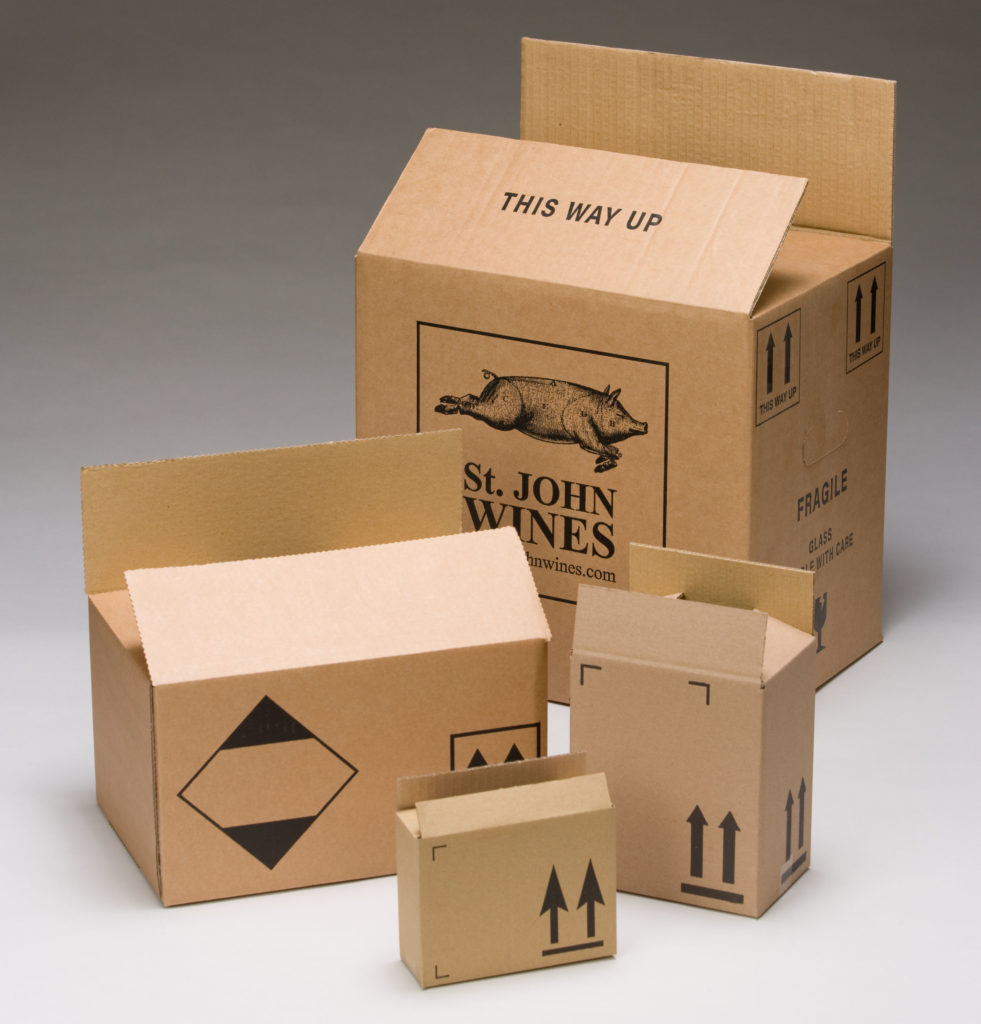
Food and Beverage Packaging
Why Does Food and Beverage Packaging Have to Work Across the Whole Supply Chain?
Food and beverage packaging has to protect the product, support hygiene standards, and arrive in the right condition for sale or onward distribution.
At Manor Packaging, we design bespoke food and beverage packaging for food and drink businesses that need reliable supply, consistent shelf presentation, and better control over total packaging cost. The page below explains how the right specification supports packing lines, storage, shipping, and point-of-sale performance without turning packaging into a unit-price decision.
Food and beverage packaging has to do four jobs at once: protect the product, support the packing operation, stay dependable through storage and transit, and look consistent when it reaches the shelf or point of sale. That specification also has to respect UK EPR expectations and practical FEFCO format choices where they apply.
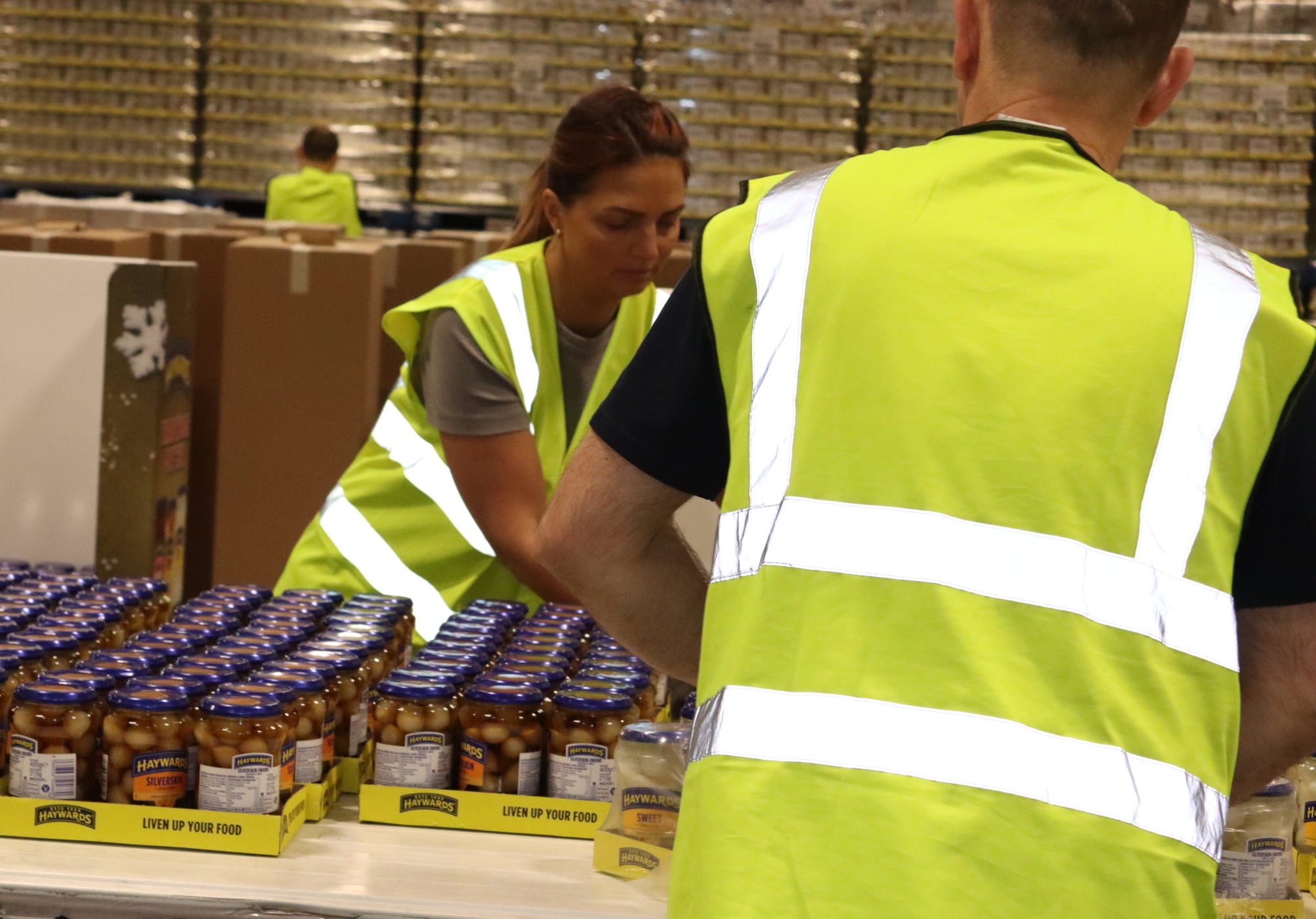
On the Packing Line
A pack that looks right on the pallet but slows the line down is only doing part of the job.
If your products don’t run cleanly through case erectors, high-speed packing benches, or manual pick-and-pack stations, the packaging specification isn’t doing enough. A small weakness in board grade, creasing, or fit can turn into extra handling every shift.
What the Pack Has to Handle
Food and drink businesses usually need packaging that can:
- protect chilled, fragile, or heavy products
- move cleanly through the packing operation
- stay strong in storage and shipping
- look consistent and ready for point of sale
- support repeat orders without avoidable variation
Under Warehouse and Transit Pressure
Hygiene and traceability standards sit alongside those commercial demands.
That means the specification has to support product protection and operational discipline at the same time. Think of it like line calibration before a shift: a small weakness in the spec at the start of the day turns into a bigger cost by the end of it.
The pack has to protect and promote. If it protects the product but arrives looking tired, scuffed, or inconsistent, you’ve simply moved the problem from the warehouse to the shelf.
How Does the Right Specification Reduce Total Packaging Cost?
The right food and beverage packaging specification improves more than the pack itself. It helps reduce total packaging cost across labour, damage, storage, shipping, and retail-facing consistency.
Buying packaging on unit price alone is like choosing a delivery lorry on paint colour.
The visible cost is only one part of the decision. Packing speed, damage reduction, warehouse efficiency, shelf presentation, and supply reliability are the lines that usually decide whether the spec works.
What Buyers Usually Need to Know
For most food and drink operations, the same questions come up early, and you’ll usually hear them before anyone asks about unit price.
- Will the packaging hold up in storage and during shipping?
- Will it run cleanly through the packing process?
- How consistent are your boxes?
- What manufacturing tolerances are you working to?
- What does your company do to manage and monitor your manufacturing tolerances?
- Will supply stay reliable when demand spikes around promotions or seasonal peaks?
Those questions matter because food and beverage operations rarely fail in neat, isolated ways. A poor fit can slow packing, increase plastic-based void fill, raise damage rates, and leave the finished product looking inconsistent by the time it reaches a retailer, wholesaler, or final customer.
Where Specification Choices Make the Difference
The right specification starts with the product and the route to market.
For lighter retail-facing products, E-Flute and B-Flute single wall can give the surface quality and conversion accuracy needed for shelf-ready work. For heavier or more exposed transit routes, EB or BC-Flute double wall board may be the better choice because the extra structure supports stacking and protection through storage and shipping.
This is where Manor Packaging’s consultative approach earns its keep. Our packaging design team looks at the product weight, pack dimensions, packing method, transit route, and final presentation requirement before we recommend a board grade or format.
Which Food and Drink Operations Need Custom Corrugated Packaging?
Food and drink packaging can look like a simple outer case until the packing line starts using it at volume.
It is easy to oversimplify food and drink packaging as “a box around a product”. The reality is closer to setting a case erector for the wrong blank: the line may still run, but every small mismatch starts costing time.
In practice, a bakery supplier, bottled drink producer, chilled food brand, wholesale distributor, and contract packer can all need different packaging for the same broad category. The right answer depends on how the product is packed, stored, handled, shipped, and presented.
Common Requirements We See
Food and drink buyers often come to Manor Packaging when standard formats are not doing enough.
Typical requirements include:
- shelf-ready packaging for national retailers and brand owners
- transit packaging for wholesale and distributor networks
- printed outer cases for brand presentation
- packaging designed around manual or automated packing
- fitments or Die Cut Packaging solutions to reduce movement
- repeatable dimensions for consistent pallet builds
- lower material use without compromising protection
The Aim Is Fit, Not Extra Board
The aim isn’t to add more board for the sake of it. The aim is to specify enough material, in the right structure, so the packaging protects the product, supports the operation, and avoids pushing cost into labour, storage, rework, or returns.
Presentation Without Consumer-Fluff
Food and beverage presentation still matters, but it should be discussed in operational terms.
Retail-facing packaging needs clean print, consistent colour, tidy opening features, and stable shelf presentation. When a food or drink pack has to work at point of sale, our Shelf and Retail Ready Packaging work is the practical reference point. It should arrive looking ready for point of sale, not as though it has already done three rounds of warehouse handling before the buyer sees it.
Manor Packaging’s 4-colour flexographic printing and in-house production control help keep the finished pack consistent. That matters when a food or drink brand is supplying multiple sites, repeating seasonal runs, or trying to avoid small variations that become visible across a shelf-ready display.
Why Does Reliable Supply Matter During Peaks?
Retail promotions, chilled product schedules, and distributor deadlines do not wait for a packaging supplier to catch up.
Food and drink businesses often run on short windows. Packaging supply is like a line-side component in that setting: if it is missing, the rest of the operation cannot simply work around it.
If the packaging is late, the product can sit idle, packing labour can be wasted, and the buyer may need to make decisions they shouldn’t have to make under pressure.
Capacity, Quality, and Repeatability
Established in 1987, Manor Packaging has over 35 years of trading experience from its Peterborough manufacturing base.
We’ve built our operation around repeatable output, practical quality management systems, and our history of 96-98.5% On-Time, In-Full (OTIF) delivery performance. We also maintain an ongoing target of 30% capacity headroom buffer throughout the calendar year to help manage spikes in demand.
That headroom doesn’t replace planning, but it gives your operation more room when volumes move. It’s the difference between a supplier who quotes the order and a partner who understands what happens if that order is late.
Production Control at Manor Packaging
Our Peterborough production line can produce glued corrugated packaging at up to 18,000 boxes an hour on high speed case-making machinery built for repeatable runs rather than one-off firefighting.
Our production set-up includes 4 colour flexographic printing, die-cut packaging solutions, multipoint glueing, and in-house design support. That gives us control over the work from design brief to finished delivery rather than treating production as a black box.
When your packaging has to protect food, preserve presentation, and run repeatedly through the same operation, that control matters.
What Production Control Gives You
For food and drink buyers, production control is the difference between a useful design conversation and a repeatable supply programme.
That gives buyers:
- clearer responsibility from design through production
- repeatable packaging to agreed specification
- practical control over print, conversion, and delivery
How Sustainable Packaging Supports EPR and Buyer Expectations
A sustainability claim only works if the packaging still does the job.
Food and drink businesses are under pressure to reduce avoidable material and prepare for EPR reporting. Treat the environmental claim like a specification sheet: if the numbers are not built into the design, they will not help procurement defend the decision.
Corrugated packaging can help, but only when it’s designed properly. A lighter or more recyclable pack that fails in shipping isn’t a sustainable outcome, because product damage, rework, and replacement deliveries carry their own cost.
The Manor Packaging Position
Manor Packaging’s factory is powered by 40% rooftop solar energy.
The board supply uses a carbon-neutral manufacturing process. 80% of our material is from already recycled sources, the finished packaging is 99.9% recyclable, and Manor Packaging holds FSC chain-of-custody certification C115460 plus ISO 14001.
We don’t lead with sustainability because it’s fashionable. We lead with it because it can reduce EPR reporting burden, support retailer expectations, and help procurement teams defend the packaging specification on more than price.
Standards and Specification Context
UK Government packaging EPR guidance and FEFCO standards and guidelines are useful reference points when procurement or compliance teams need wider context. They do not replace the practical specification work: the right food and beverage packaging still has to be built around your product, packing line, route to market, and presentation requirement.
If you are reviewing food and beverage packaging for a live range, promotion, or supplier change, talk to Manor Packaging about the current specification. We will look at the product, packing process, total packaging cost, and supply requirement before recommending the next step.